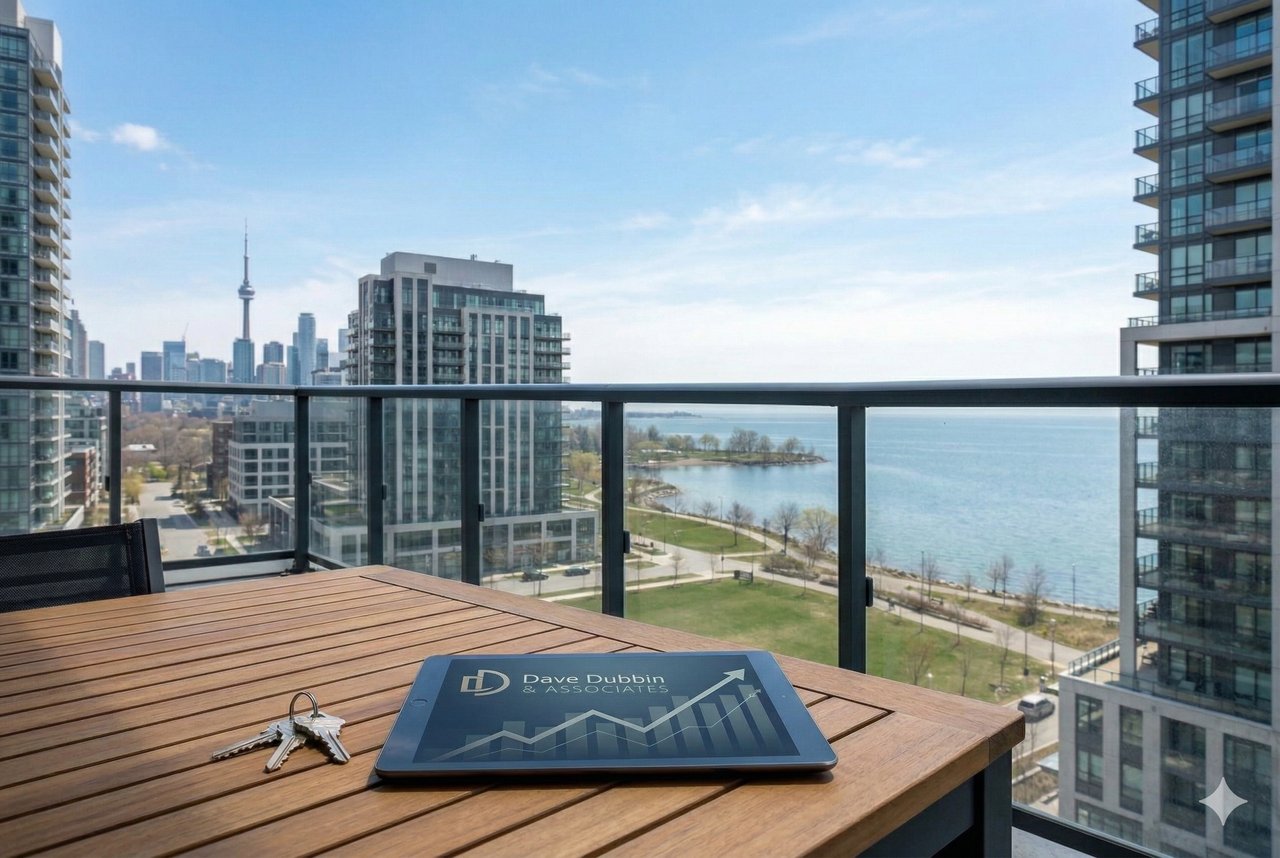
South Etobicoke Real Estate Market Insights
Market Insight Dave Dubbin March 9, 2026
Market Insight Dave Dubbin March 9, 2026
Are you wondering how the market shifts will affect your real estate plans in South Etobicoke? Here's the short version as of this winter: February 2026 was a clear buyer's market across the GTA, with plenty of inventory and real negotiating room, and that called for a different playbook whether you were listing or buying. The numbers below are date-stamped, February and June 2026, because market posts age fast and we'd rather show you the trend than pretend one month is forever.
Want to see how this market translates into actual opportunities? Check out our Etobicoke Deal of the Week or request a free valuation for your own place.
The Toronto Regional Real Estate Board's February data showed the Sales-to-New-Listings Ratio sitting in the low 30 percent range. That ratio is exactly what it sounds like: sales divided by new listings. In everyday terms, for every ten homes that hit the market, roughly three sold. Anything under 40 percent means buyers hold the leverage, anything over 60 percent means sellers do, and the middle is balanced. Days on market stretched out too, which gave buyers something they hadn't had in years: time to inspect, think, and negotiate without a bidding war breathing down their neck.
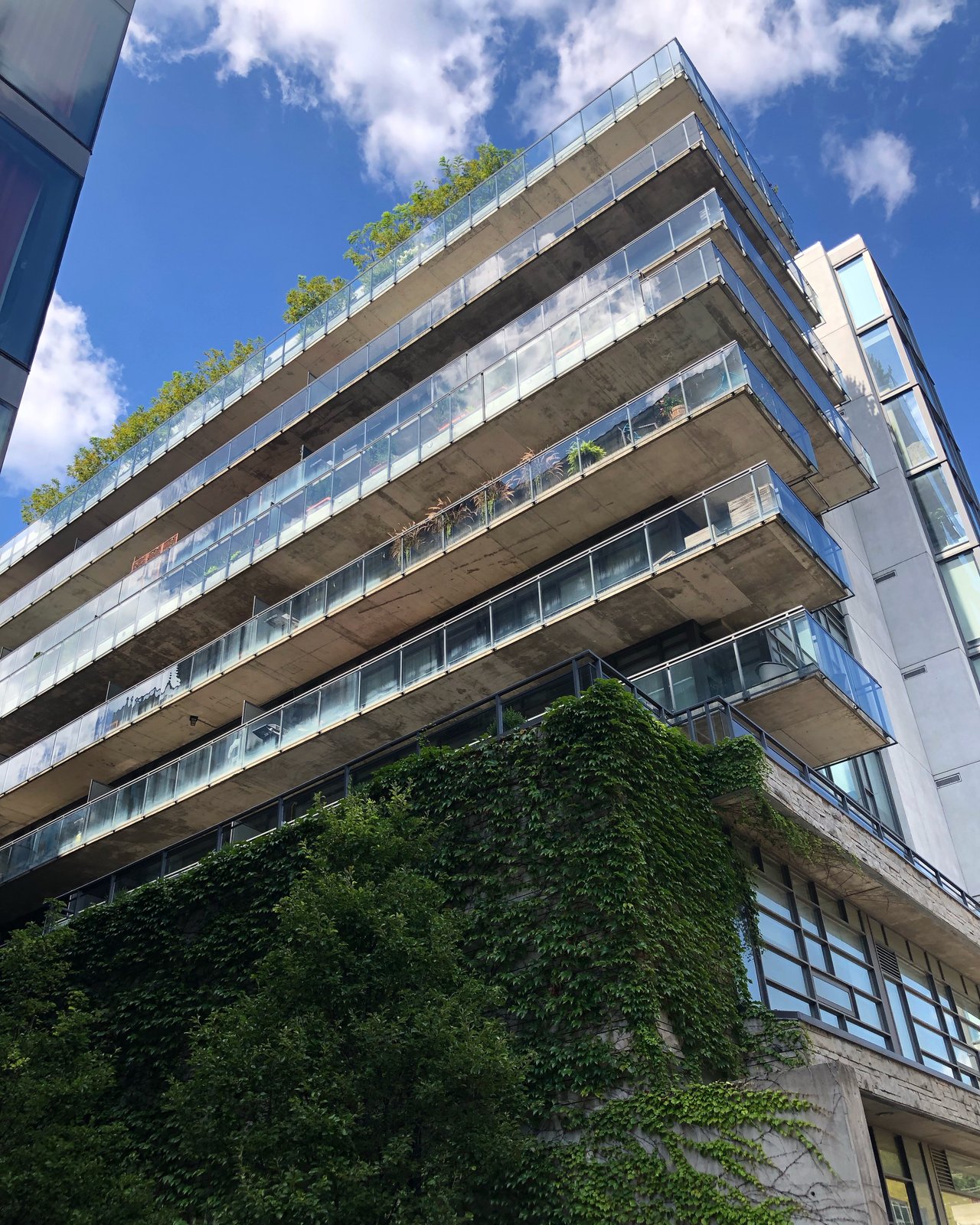
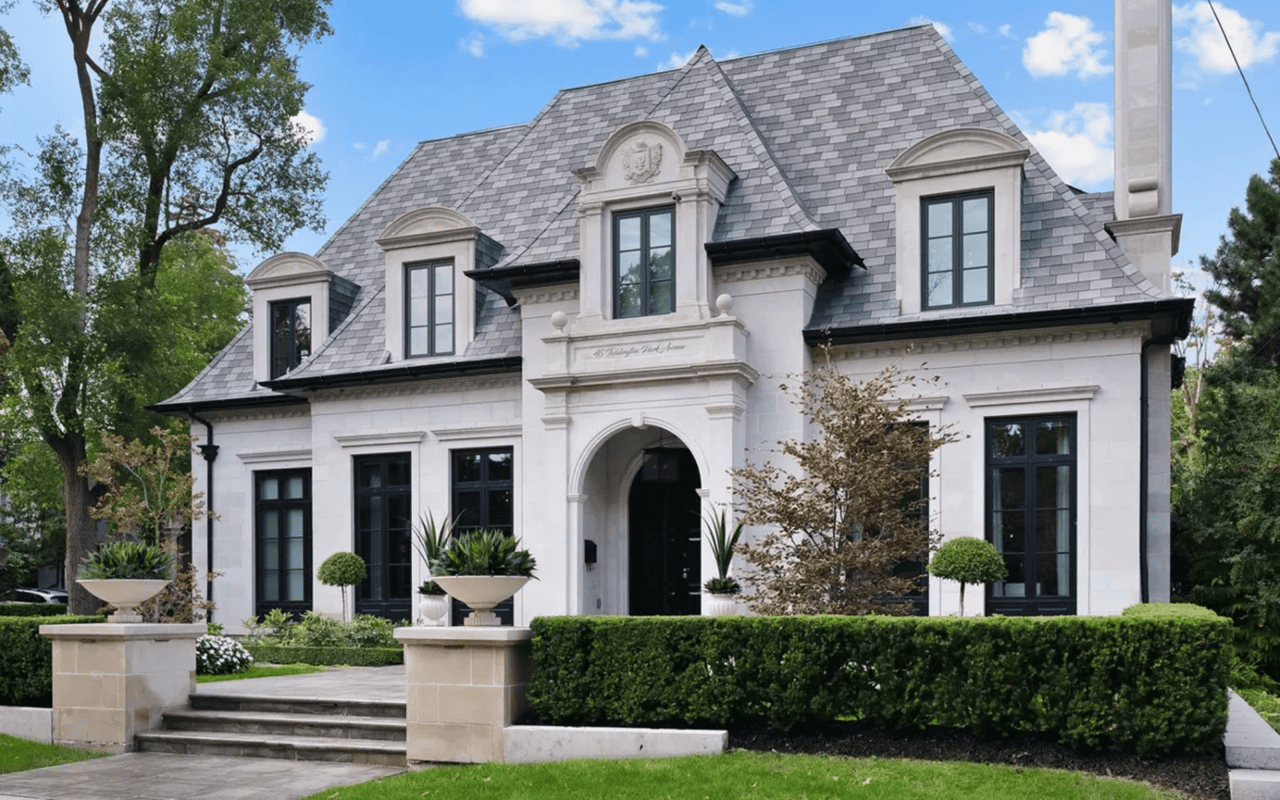
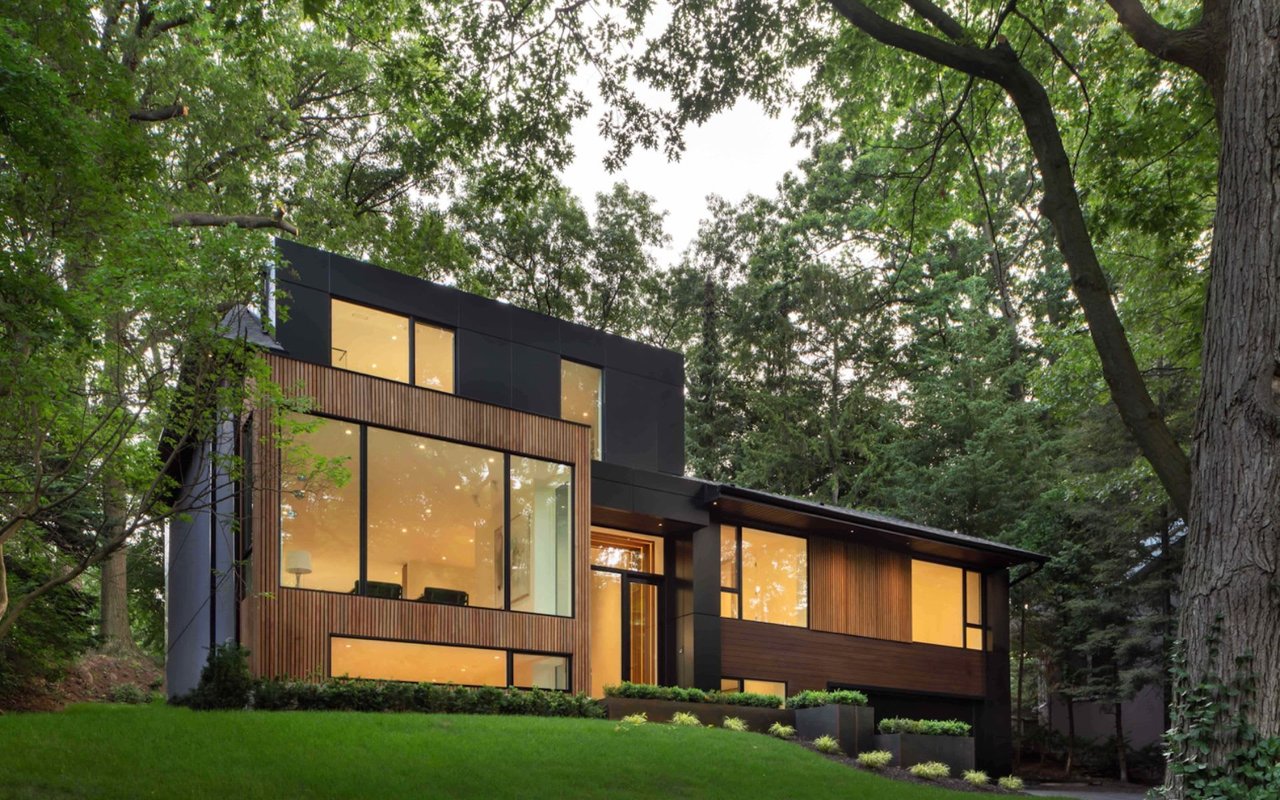
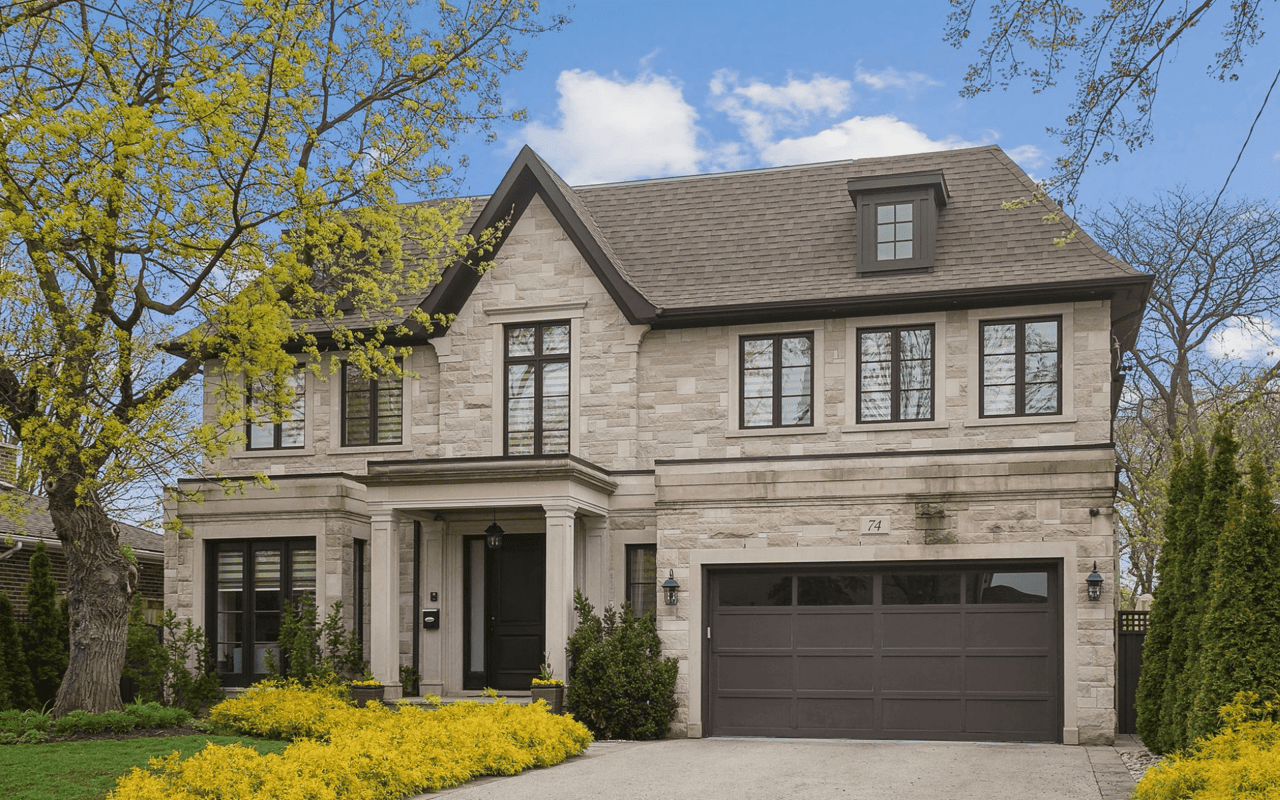
A buyer's market is not one market, though. The condo sector carried most of the extra inventory, which created a real window for first-time buyers and investors to buy with choice and leverage. Freehold was a different story: detached and semi-detached homes in Mimico, New Toronto and Long Branch held their value far better, because almost nobody builds new low-rise housing here anymore, so the supply of houses is effectively fixed. And for condo owners wanting a house, soft markets narrow the gap between what you sell for and what you pay, which is the cheapest time to make that jump even though it rarely feels like it.
Because we said we'd keep this, here's the June update from TRREB: 6,770 GTA sales, up 9.4 percent from a year earlier, against 17,282 new listings, down 12.9 percent. Run the same ratio and you get roughly 39 percent, knocking on the door of balanced territory. The average selling price was $1,058,658, still 3.9 percent below last June, but the direction changed: sales rising while supply shrinks is how buyer's markets end.
Measure | February 2026 | June 2026 |
|---|---|---|
Sales-to-New-Listings Ratio | Low 30s, firm buyer's territory | About 39 percent, approaching balanced |
Supply | Elevated, most of it condos | New listings down 12.9 percent year over year |
Buyer leverage | Strong | Real, but narrowing |
Planning a move in this market? These go deeper:
Listing in a buyer's market means you're competing for a smaller pool of active buyers, so three things stop being optional. Presentation: staging, professional photography, and fixing the deferred maintenance before the sign goes up, because buyers with choice skip homes that need excuses. Pricing: overpricing in this environment is the expensive mistake, since a home that sits gets stale and stale homes attract lowball offers, so we price off what's actually trading on your street in the last 60 days. Negotiation: with days on market stretched, the first offer often matters more than sellers expect, and protecting your equity happens at the negotiating table, not the list price.
For buyers, this is the breathing room you waited for, so use it properly. Take the time elevated inventory allows: see multiple properties, get real inspections, and keep your financing condition in the offer. And buy long-term value, good structure and good location, because when competition returns, and June's numbers suggest it's returning, those are the homes that recover first.
February belonged to buyers. By June the window was visibly narrowing. Markets like this reward people who act on data instead of headlines, and the data here is local: what's true for a Humber Bay one bedroom is not what's true for a Long Branch semi. All figures above are from TRREB's February and June 2026 releases; if you're reading this later, check our latest market posts for where things stand now.
Wondering what your own numbers look like in this market? Get a free home valuation or book a call and we'll build a plan around your timeline.
Dave Dubbin
Etobicoke Real Estate Expert
Dave Dubbin & Associates
Real Estate Broker for Etobicoke and Toronto
Sotheby's International Realty, Canada
Stay up to date on the latest real estate trends.
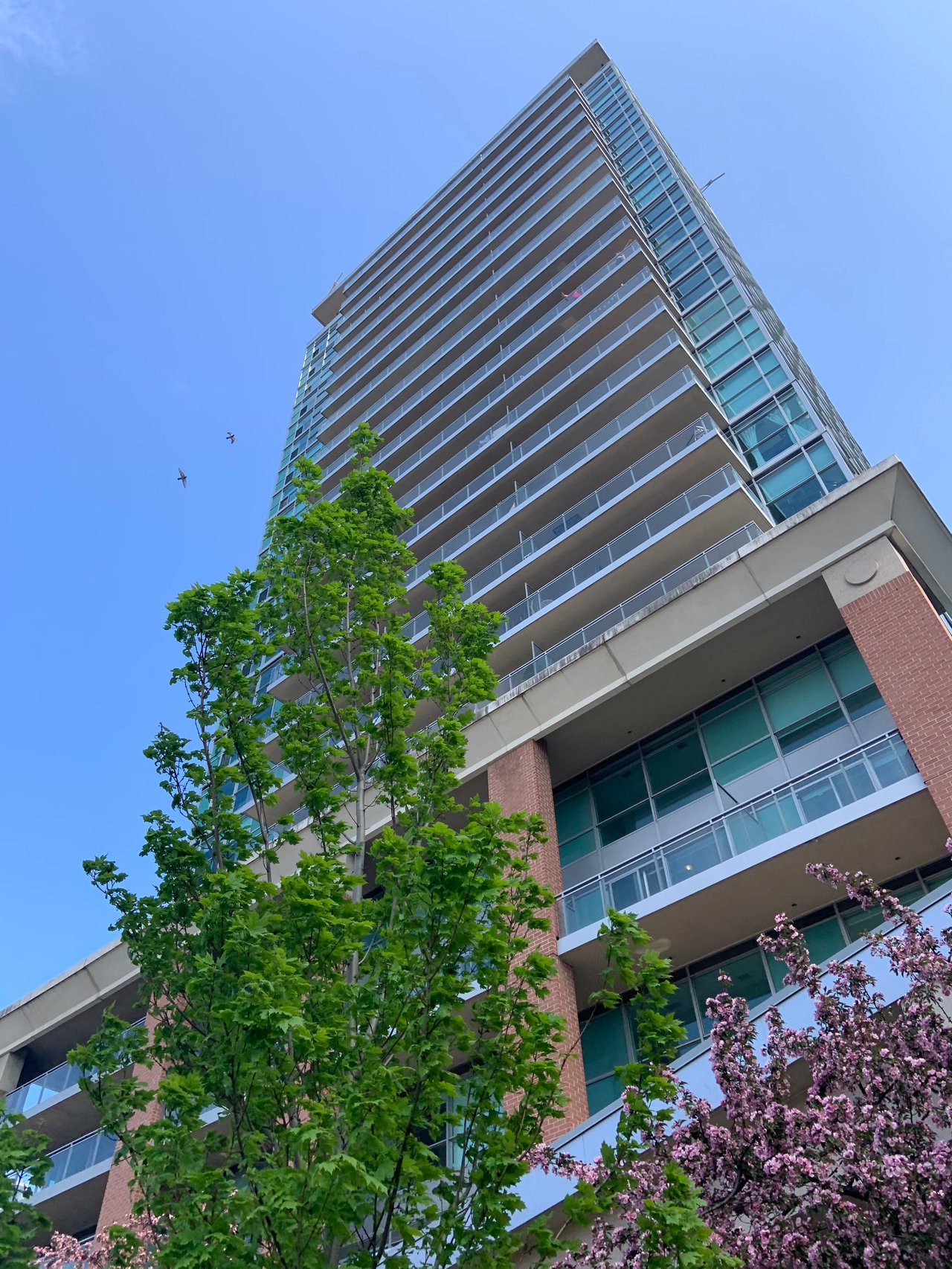
Liberty Villiage
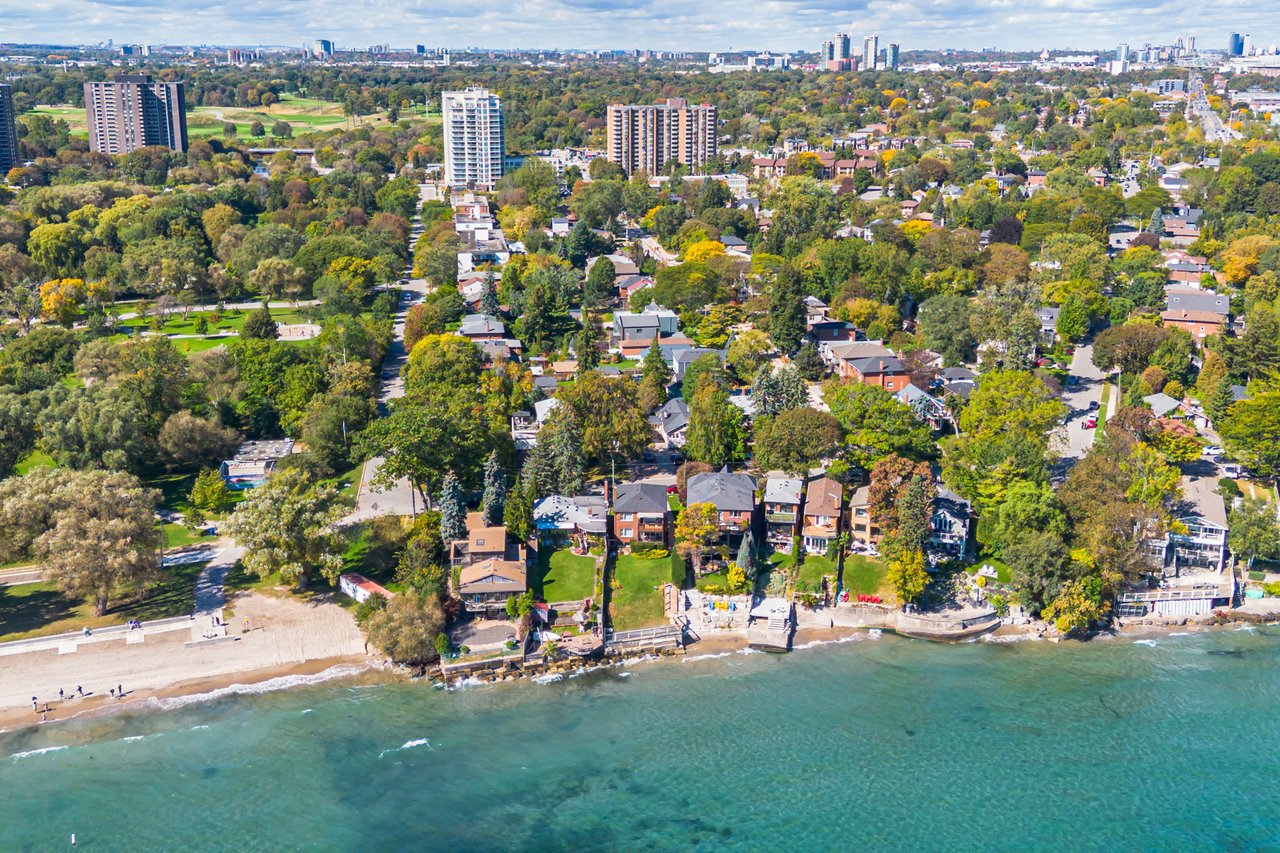
Etobicoke Lifestyle & Community
Liberty Villiage

Buyer Advice
Buyer Advice
Market Insight

Buyer Advice

Community Feature

Market Insight

DAVE DUBBIN & ASSOCIATES
3109 BLOOR ST W #1 TORONTO ON M8X 1E2 CANADA