What Do Etobicoke Sellers Actually Net? The Real Math on Your Bottom Line
Seller Advice Dave Dubbin July 27, 2026
Seller Advice Dave Dubbin July 27, 2026
Here's the short answer: on a typical Etobicoke sale, after commission, HST, and legal fees, most sellers keep roughly 93 to 96 cents of every dollar of the sale price, before paying out whatever is left on the mortgage. The exact number depends on the commission you agree to, the shape your home is in, and how your mortgage is structured. Below is the full math, with a worked example, so there are no surprises on closing day.
Want this math done on your actual home instead of a hypothetical? We'll run the numbers with you, no pressure and no obligation. Find out what your home is worth
Commission in our market generally runs from 3.5% to 6% of the sale price, usually split between the listing brokerage and the buyer's brokerage. Where you land in that range mostly reflects the level of service, skill of realtor and marketing behind your sale. In today's market, sellers understand that better than ever. Staging, photography, video, floor plans, advertising, and the negotiation itself all live inside that fee, and the difference between a bare bones listing and a properly marketed one often shows up in the sale price itself.
One thing many sellers forget: HST applies to commission in Ontario at 13%. On a $50,000 commission that's another $6,500, so build it into your math from the start.
You need a real estate lawyer to close. For a straightforward sale, fees plus disbursements commonly land between $1,200 and $2,500. Condo sellers should also budget for the status certificate if the buyer requests one during the deal.
Two things here. First, the payout itself: whatever principal remains comes off your proceeds on closing. Second, the cost of discharging it: lenders charge a discharge or administration fee, typically a few hundred dollars, and if you're breaking a mortgage mid term there can be a penalty on top, often three months' interest or an interest rate differential, whichever is higher. Call your lender for a payout statement early. It's the single most common surprise we see, and it's entirely avoidable.
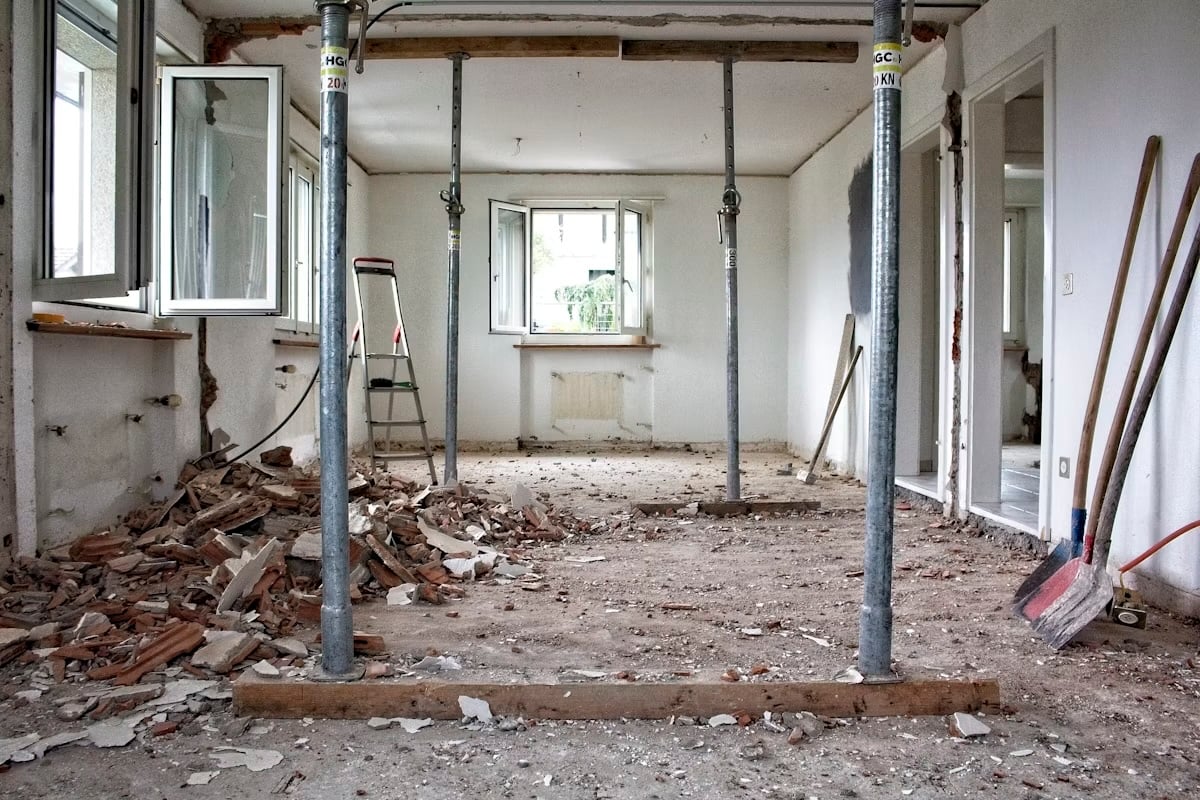
This one varies the most. Some homes need a cleaning and a few boxes moved to the garage. Others benefit from paint, minor repairs, and staging. We treat prep as an investment decision, not an expense: money goes in only where we expect it to come back with a return. We broke down which projects tend to pay for themselves in the post below.
Before you list, these three are worth ten minutes:
Some good news. Land transfer tax, including Toronto's municipal one, is the buyer's cost, not yours. And if the home was your principal residence for every year you owned it, the sale is generally sheltered from capital gains tax under the principal residence exemption. Tax situations differ, so confirm yours with an accountant, especially if the property was ever rented out or you own more than one home.
Say your Etobicoke home sells for $1,000,000 with a 5% total commission:
That leaves roughly $941,400 before your mortgage payout and any money you chose to put into prep. Run the same math at 3.5% commission and you keep about $958,350; at 6% it's about $930,100. The spread looks big on paper, which is exactly why the next section matters.
The number that matters is what you walk away with, not what you pay. A lower fee on a sale that lands under market can cost you far more than the fee saved, and a properly prepared, properly marketed, properly negotiated sale routinely covers its own commission. When you interview agents, ask them to show you the plan behind the fee. Then compare projected nets, not percentages.
Thinking about selling this year? Contact us, we're nice. We'll walk you through your numbers line by line. Let's talk
Dave Dubbin
Etobicoke Real Estate Expert
Dave Dubbin & Associates
Real Estate Broker for Etobicoke and Toronto
Sotheby's International Realty, Canada
Stay up to date on the latest real estate trends.
Liberty Villiage
Etobicoke Lifestyle & Community
Liberty Villiage

Buyer Advice
Buyer Advice
Market Insight

Buyer Advice

Community Feature

Market Insight

DAVE DUBBIN & ASSOCIATES
3109 BLOOR ST W #1 TORONTO ON M8X 1E2 CANADA