Toronto Started 156 Condos in Six Months: What That Does to Etobicoke
Market Insight Dave Dubbin September 16, 2026
Market Insight Dave Dubbin September 16, 2026
CMHC published its Fall 2026 Housing Supply Report on September 10, and one line in it matters more than the rest to anyone who owns, rents or is shopping in Etobicoke. In the City of Toronto, builders started 156 condominium units in the entire first half of 2026. The decade average is roughly 7,000 units a year. That is not a slowdown, that is a stop. And because almost all of Etobicoke's population growth over the past fifteen years arrived in condo form, the west end is more exposed to it than most of the city.
Here is the short version. Nothing changes for your 2026 or 2027 numbers. The effect lands around 2029, and it lands hardest on the segments that depend on new supply to keep a lid on prices and rents.
Not sure what your Etobicoke condo or house is actually worth in a market moving in two directions at once? Start with our home valuation tool, then we will pressure test the number against what is really trading on your street.

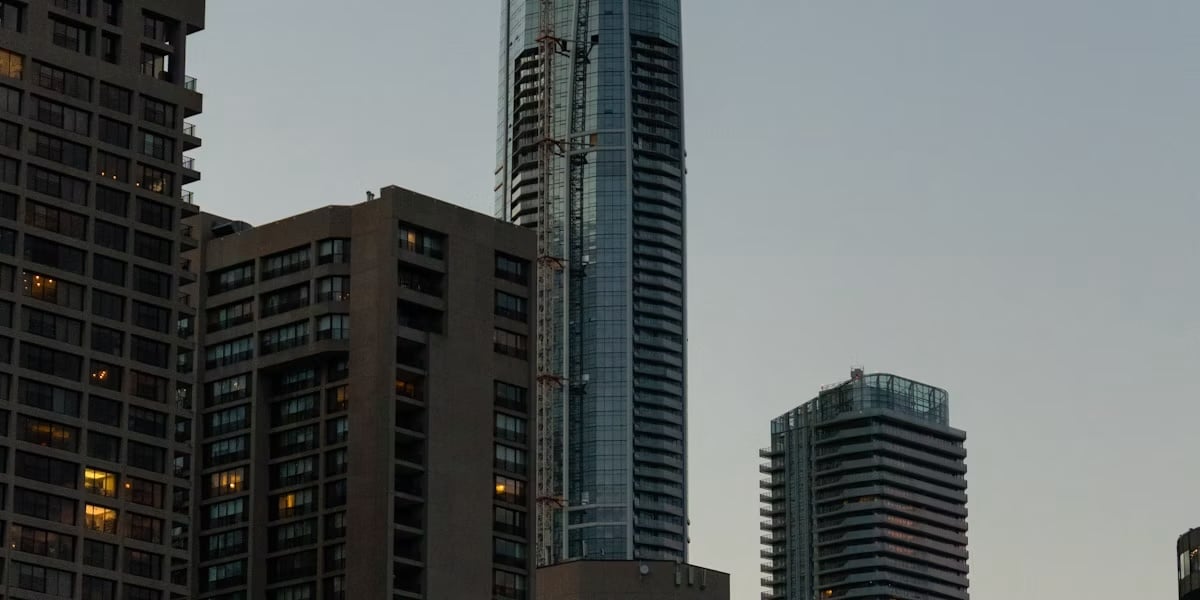
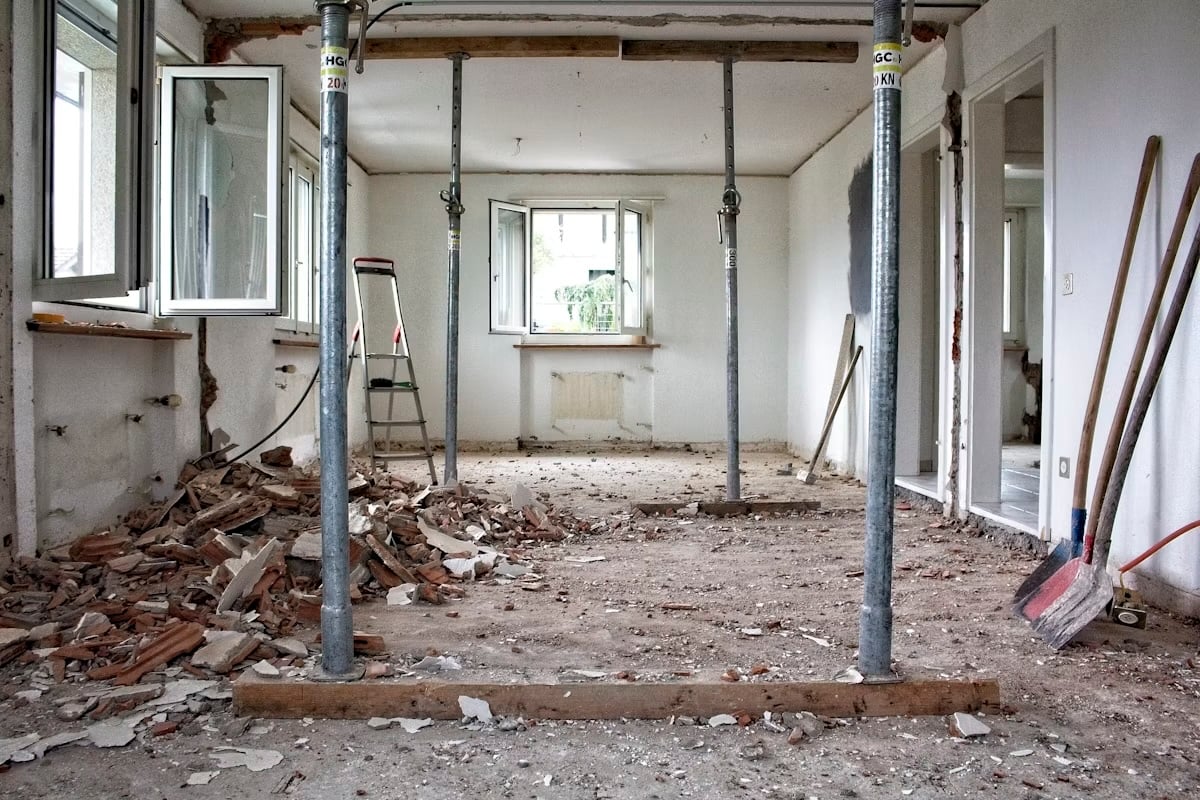
Photo: Unsplash
The report is national, but the Toronto chapter is blunt. Population-adjusted housing starts in the first half of 2026 were the lowest since 1996, setting aside last year. The inventory of permitted units waiting for a shovel has fallen 50% from its 2023 peak, which means the queue of projects that could start quickly is half as long as it was three years ago. Condominium project launches have largely stalled. Ground-oriented freehold starts, the semis and townhouses and detached homes, are at record lows after more than two decades of decline.
CMHC's own accounting says Toronto is on pace to build about 42,000 homes a year under current trends, and needs 62,000 to 68,000 a year to get back to 2019 affordability by 2036. That is a gap of 20,000 to 26,000 homes every year, or a required increase of at least 50%.
The clearest picture is the mix. These are Toronto CMA housing starts by tenure, measured as a four-quarter moving sum ending in the second quarter of each year, which smooths out the seasonal noise.
Four quarters ending | Condo apartment | Purpose-built rental | Freehold |
Q2 2023 | 31,445 | 9,521 | 10,391 |
Q2 2024 | 28,463 | 7,172 | 8,554 |
Q2 2025 | 13,883 | 6,039 | 7,842 |
Q2 2026 | 8,289 | 12,062 | 6,386 |
Source: CMHC, Fall 2026 Housing Supply Report, published September 10, 2026. Toronto CMA starts by tenure, four-quarter moving sum.
Condo starts are down 74% in three years. Freehold starts are down 39%. Rental starts doubled. In the first half of 2026, purpose-built rental apartment starts rose 82% over the same period last year and came in above condo apartment starts for the first time since 1994.
Q2 2023 | 31,445 | |
Q2 2024 | 28,463 | |
Q2 2025 | 13,883 | |
Q2 2026 | 8,289 |
Toronto CMA condo apartment starts, four-quarter moving sum to Q2. Bars scaled to the 2023 figure. Source: CMHC, Fall 2026 Housing Supply Report.
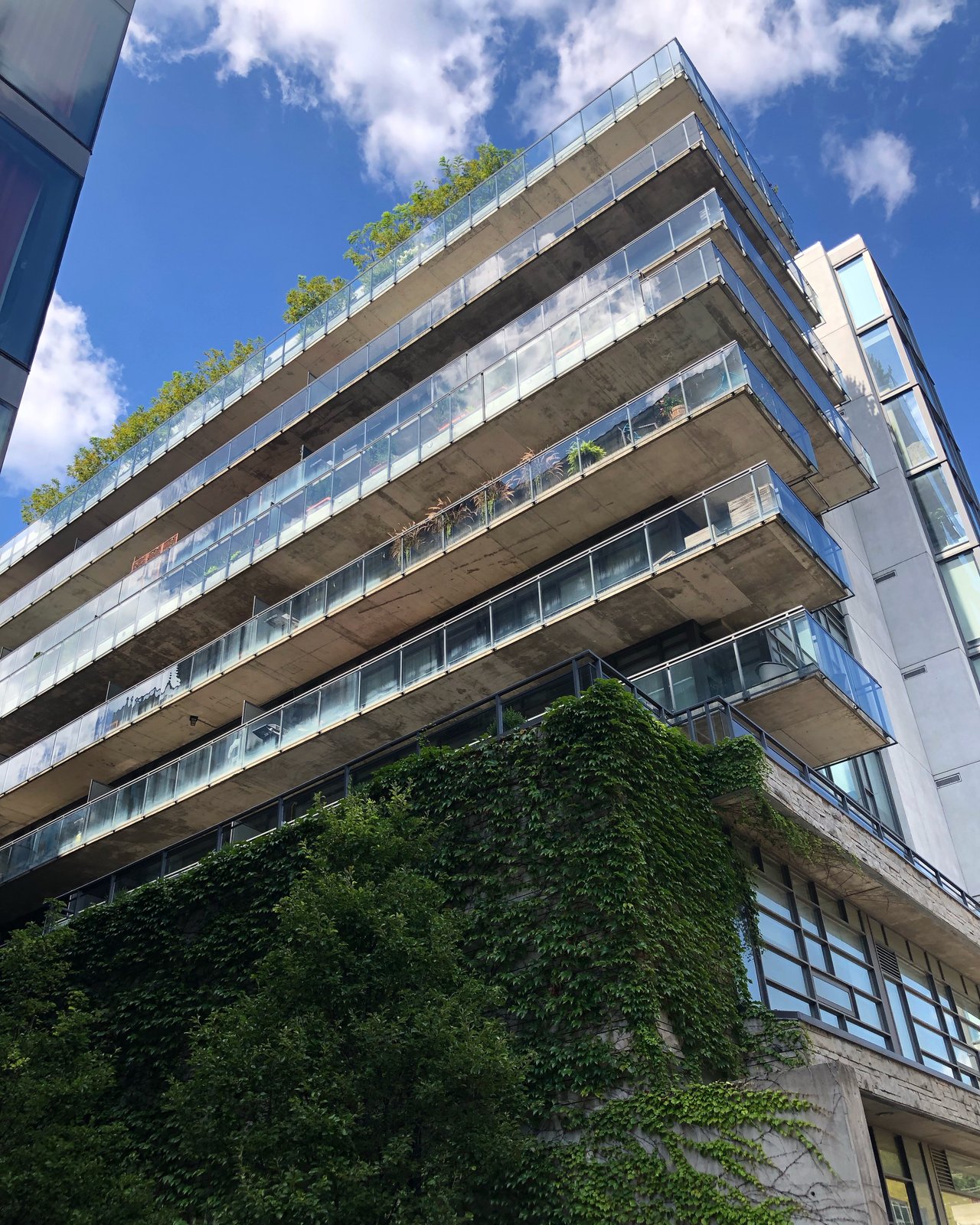
Think about where the new housing in our part of the city has come from. Humber Bay Shores went from industrial land to something like twenty towers. Islington-City Centre West rebuilt itself around Kipling and Islington stations. The Queensway filled in with mid-rise. Mimico added density along the lakeshore. Almost none of that was purpose-built rental or new freehold. It was condo, and a large share of it was bought by investors who then rented it out.
That last part is the piece people miss. Condos are not only ownership supply in Toronto, they are the largest source of what CMHC calls secondary rental supply, meaning individually owned units rented out by their owners rather than by an institutional landlord. When condo completions fall off, Etobicoke loses ownership inventory and rental inventory at the same time, from the same buildings.
Supply in housing is inelastic, which is the economist's way of saying it cannot respond quickly to a change in price. A condo tower takes years to move from a sales launch to people carrying boxes through the lobby. What that means in practice is that today's decision not to build is already locked into the 2029 and 2030 supply picture. Nothing anybody does between now and then changes it.
If you are trying to read the Etobicoke market right now, these three go deeper on the same question:
None of this means the condo market is about to turn. The near-term picture is the opposite of a shortage. Urbanation's second quarter report, released July 20, put standing unsold inventory across new and recently registered resale condos in the GTHA at 12,106 units, with completed developer-held inventory at a record 5,001 units, up 68% in a year. Those are finished or nearly finished units with nobody in them. On the resale side, TRREB's August data has the GTA condo apartment average at $618,000, down 3.8% year over year, with the MLS HPI apartment benchmark down more than 7% in July. CREA's national release on September 15 showed August sales down 6.9% from a year earlier, with the Bank of Canada flagging renewed inflation risk.
So the two facts sit side by side, and both are true.
Now through roughly 2028 | Roughly 2029 onward | |
What arrives | Towers started in 2022 and 2023, when condo starts ran above 28,000 a year | Towers started in 2025 and 2026, when starts were 8,289 and falling |
Standing inventory | Record 5,001 completed developer-held units, 12,106 total standing | Whatever has not been absorbed by then, with no meaningful replacement behind it |
Pressure on price | Downward. Sellers compete with builders discounting finished stock | Upward, if demand recovers at all, because supply cannot answer it |
Pressure on rent | Flat to down. Rental starts up 82% and completions coming | Up, as the secondary rental supply from condo completions dries up |
Inventory figures: Urbanation Q2 2026, released July 20, 2026. Starts: CMHC, Fall 2026 Housing Supply Report. The timing columns are a reading of the delivery lag, not a forecast.
The useful word here is basis, meaning the price you get in at. A glut is what gives a buyer a good basis. A shortage is what makes that basis look smart later. Those two conditions almost never overlap in the same year, and right now Toronto is handing buyers the first one while quietly building the second.
If you own an Etobicoke condo and are thinking about selling. You are competing against developer inventory that can be discounted in ways a resale seller cannot match, including capped fees, decorating credits and deferred deposits. Price to the market, present the unit properly, and do not anchor on 2022. If you can hold and the carrying cost is not hurting, the medium-term supply picture is on your side.
If you are buying. This is the part of the cycle where selection is wide, competition is thin and the seller has more to lose from a failed deal than you do. Search costs are low, meaning you can actually see everything available without racing anyone, and that is rare in this city. Be selective about the building, not just the price.
If you are an investor. Run the numbers on rent, not on appreciation. The case for buying in 2026 is a rent story that improves at the end of the decade as condo completions thin out, paired with a purchase price set during a glut. The case against is that you have to carry a likely negative spread between your mortgage cost and your net rent for several years before that arrives. That is negative leverage, where borrowing multiplies a loss rather than a gain, and plenty of unit types in Humber Bay will not clear that hurdle today.
If you are renting in Etobicoke. The next two or three years are probably the best negotiating position renters have had here since before the pandemic, between the new rental completions and investor-owned units sitting empty. That window is not permanent.
Three things, mainly. A meaningful fall in construction costs or development charges could restart launches faster than anyone expects, and Toronto has already cut development charges once. A sharp change in population growth in either direction moves the demand side of CMHC's math, since their gap estimate assumes a particular immigration path. And a rate cut cycle that takes the Bank of Canada well below 2.25% would pull presale demand forward, which is the thing developers need to break ground. If any of those land, 2029 looks different. If none of them do, CMHC's arithmetic is hard to argue with.
The question we get most often right now is whether to buy the discounted condo today or wait. It depends entirely on your holding period and your carrying cost, and for some people the answer is no, do not buy this one. Book a call and we will underwrite the specific unit, rent assumptions and all, and tell you what it actually yields before you write anything.
Dave Dubbin
Etobicoke Real Estate Expert
Dave Dubbin & Associates
Real Estate Broker for Etobicoke and Toronto
Sotheby's International Realty, Canada
Stay up to date on the latest real estate trends.
Liberty Villiage
Etobicoke Lifestyle & Community
Liberty Villiage

Buyer Advice
Buyer Advice
Market Insight

Buyer Advice

Community Feature

Market Insight

DAVE DUBBIN & ASSOCIATES
3109 BLOOR ST W #1 TORONTO ON M8X 1E2 CANADA