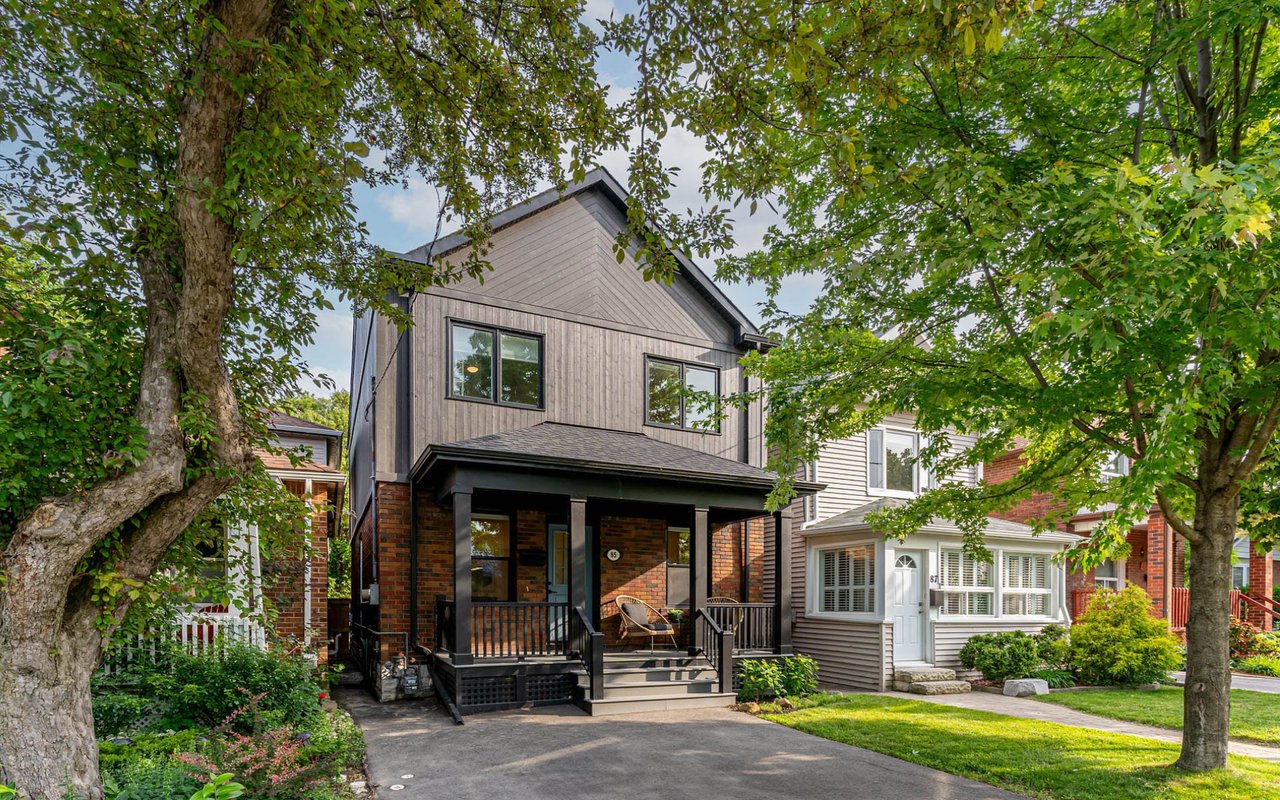
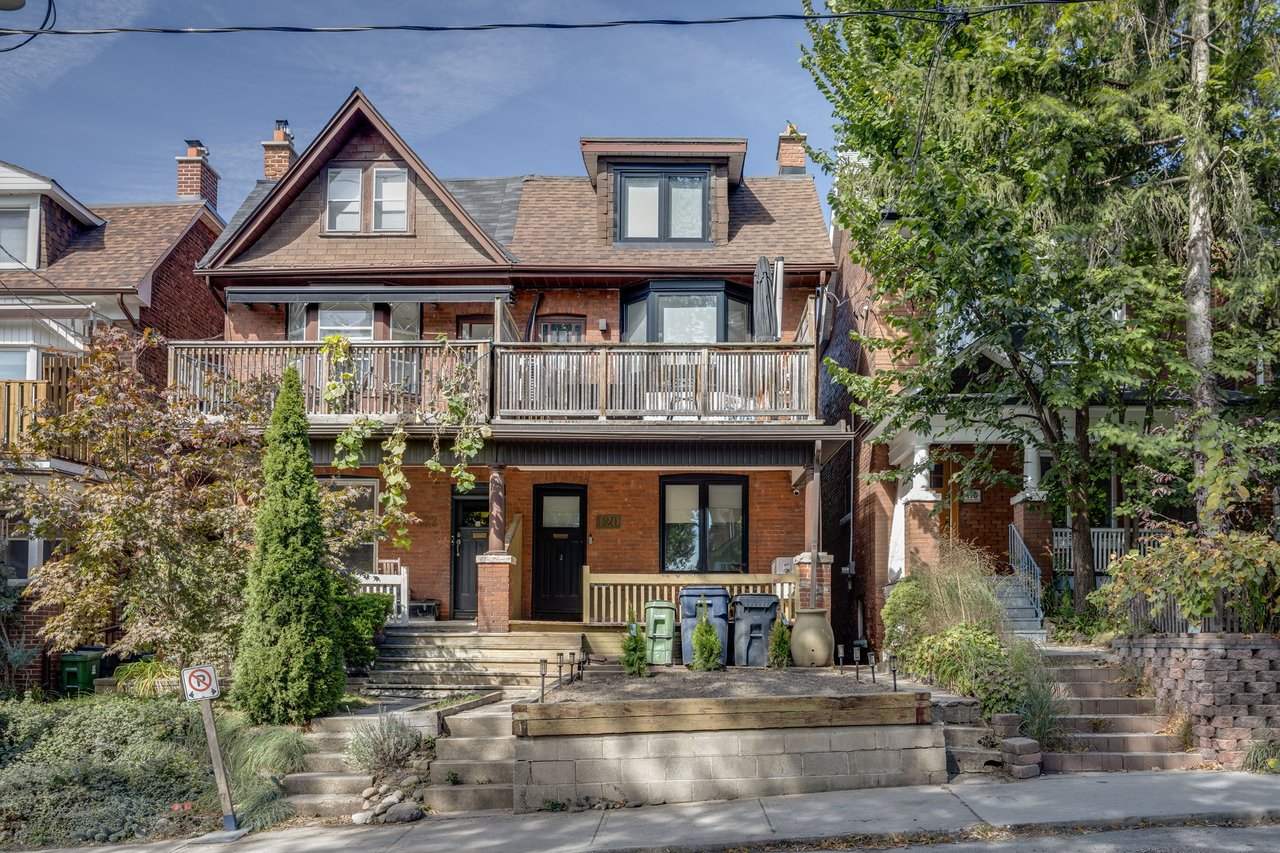
The Etobicoke Fall Market From Here: What October, November and December Actually Hold
Market Insight Dave Dubbin September 21, 2026
Market Insight Dave Dubbin September 21, 2026
Today is the last day of summer. From here to New Year's, four dates will do more to shape the Etobicoke market than anything else on the calendar: the September TRREB numbers in early October, the September inflation reading on October 19, the Bank of Canada decision on October 28, and the final rate decision of the year on December 9. Everything else is noise. Here is what each one can realistically change, where the numbers sit going into October, and what it means if you are listing or buying between now and the end of the year.
Thinking about a fall move? Start with what your home is worth today.
When | What lands | Why it matters here |
|---|---|---|
First week of October | TRREB September Market Watch | First clean read on whether the fall listing surge showed up in Etobicoke or not |
October 19 | September Consumer Price Index | Lands nine days before the rate decision, so it effectively sets it |
October 28 | Bank of Canada decision, with the quarterly Monetary Policy Report | The forecast matters more than the rate itself, because fixed rates move on the outlook |
December 9 | Final Bank of Canada decision of 2026 | Too late to change this year's market, but it sets the tone for the spring |
Sources: Bank of Canada announcement schedule; Statistics Canada release calendar; TRREB Market Watch.
The Bank of Canada has held its policy rate at 2.25 percent through seven consecutive decisions, most recently on September 2, which puts prime at 4.45 percent. Headline inflation was 3.0 percent in August, unchanged from July. Strip out gasoline and it was 2.4 percent, up from 2.2 percent the month before. The Bank's preferred core measures sat at 1.9 percent for trim and 2.0 percent for median.
That combination is why nobody should be budgeting for a rescue from falling rates this fall. Core inflation running near target gives the Bank room to hold, and core excluding gasoline drifting upward gives it a reason to. A cut on October 28 would be a surprise, not a base case.
On the housing side, August across the GTA produced 5,057 sales, down 2.1 percent year over year, against 12,075 new listings, down 14.1 percent. The average price was $993,410, down 2.7 percent, and the MLS Home Price Index composite was down 4.5 percent. Homes took 51 days to sell on average, up from 45 in July.
Read those two listing and sales numbers together, because they say something specific. Sales fell a little. New listings fell a lot. Supply is withdrawing faster than demand is, which is what usually puts a floor under prices even while the headline average keeps sliding. It does not mean prices turn tomorrow. It means the downside is getting shallower.
Here is the arithmetic people miss. At 51 days to sell on average, a home listed on November 1 is statistically closing around the third week of December, and that assumes it sells at the average pace rather than slower, which top-end and unusual properties generally do. Add a 60 or 90 day closing and you are well into 2027 before the deal is done.
That is why the practical fall selling window in Etobicoke effectively closes in the first half of November, not at the end of December. After roughly the second week of November, listing activity thins, buyer traffic thins with it, and anything still sitting in December carries an unspoken question mark for the buyers who are looking. The exception is that the buyers still out there in late fall tend to be serious. Fewer of them, but not tire-kickers.
If you are planning a fall move, these go deeper:

Decide in the next two weeks, not in November. If the plan is to sell in 2026, the launch wants to happen in early October while there is still runway. Waiting to see what the Bank of Canada does on October 28 costs you five weeks of the window in exchange for information that, on current readings, is most likely to be another hold.
Price against what has actually closed in the last 60 days, not against spring asking prices. The index is down 4.5 percent year over year and the benchmark is falling faster than the average, which means the middle of the market has softened more than the headline suggests. A list price anchored to what your neighbour asked in April will sit.
You have time, and that is the unusual part. With days on market at 51 and inventory still available, there is room to use conditions rather than waive them. A financing condition and a proper inspection cost you very little in negotiating power in this market, and they cost you a great deal to skip if something turns up.
Get the rate hold in place now regardless. Most lenders hold a rate for 90 to 120 days, which from late September covers the October 28 decision and runs past it. If rates fall you re-price; if they rise you are protected. Remember the stress test applies either way: you qualify at the greater of your contract rate plus two percent or 5.25 percent, so the payment you qualify on is not the payment you make.
The case for moving this fall: new listings are down 14.1 percent year over year, supply is withdrawing, rates have been flat for seven consecutive decisions, and there is far less competition in October than there will be in April. Buyers who transact in a quiet market usually do better than buyers who transact in a busy one.
The case for waiting until spring: prices are still drifting, the index is down 4.5 percent year over year, and nothing in the inflation data points to rate relief before the new year. If the direction of travel is still gently downward, patience costs a buyer nothing and may save them something.
What would change our read: a September Market Watch in early October showing new listings falling again while sales hold flat or rise. That combination is what a turn looks like before it shows up in prices. As of September 21, 2026, it has not appeared yet.
Want to know whether your street is tracking with the wider numbers? Get in touch and we will pull the recent sales that actually apply.
Dave Dubbin
Etobicoke Real Estate Expert
Dave Dubbin & Associates
Real Estate Broker for Etobicoke and Toronto
Sotheby's International Realty, Canada
Stay up to date on the latest real estate trends.

Community Feature
Market Insight

Market Insight

Buyer Advice
Buyer Advice

Market Insight

Market Insight

Community Feature

Market Insight

DAVE DUBBIN & ASSOCIATES
3109 BLOOR ST W #1 TORONTO ON M8X 1E2 CANADA