Where the Rental Math Actually Works in Canada Right Now
Market Insight Dave Dubbin August 7, 2026
Market Insight Dave Dubbin August 7, 2026
Ask where rental cash flow is easiest to find in Canada in 2026 and the real answer is: the further you get from Toronto and Vancouver, the better the raw numbers look. A condo in Edmonton or Calgary earns roughly double the gross yield of a Toronto condo right now. But yield is not the same thing as cash flow, and the markets with the fattest yields are also the ones where prices and rents have been falling. Here is the math with sources, and the questions to ask before you chase it.
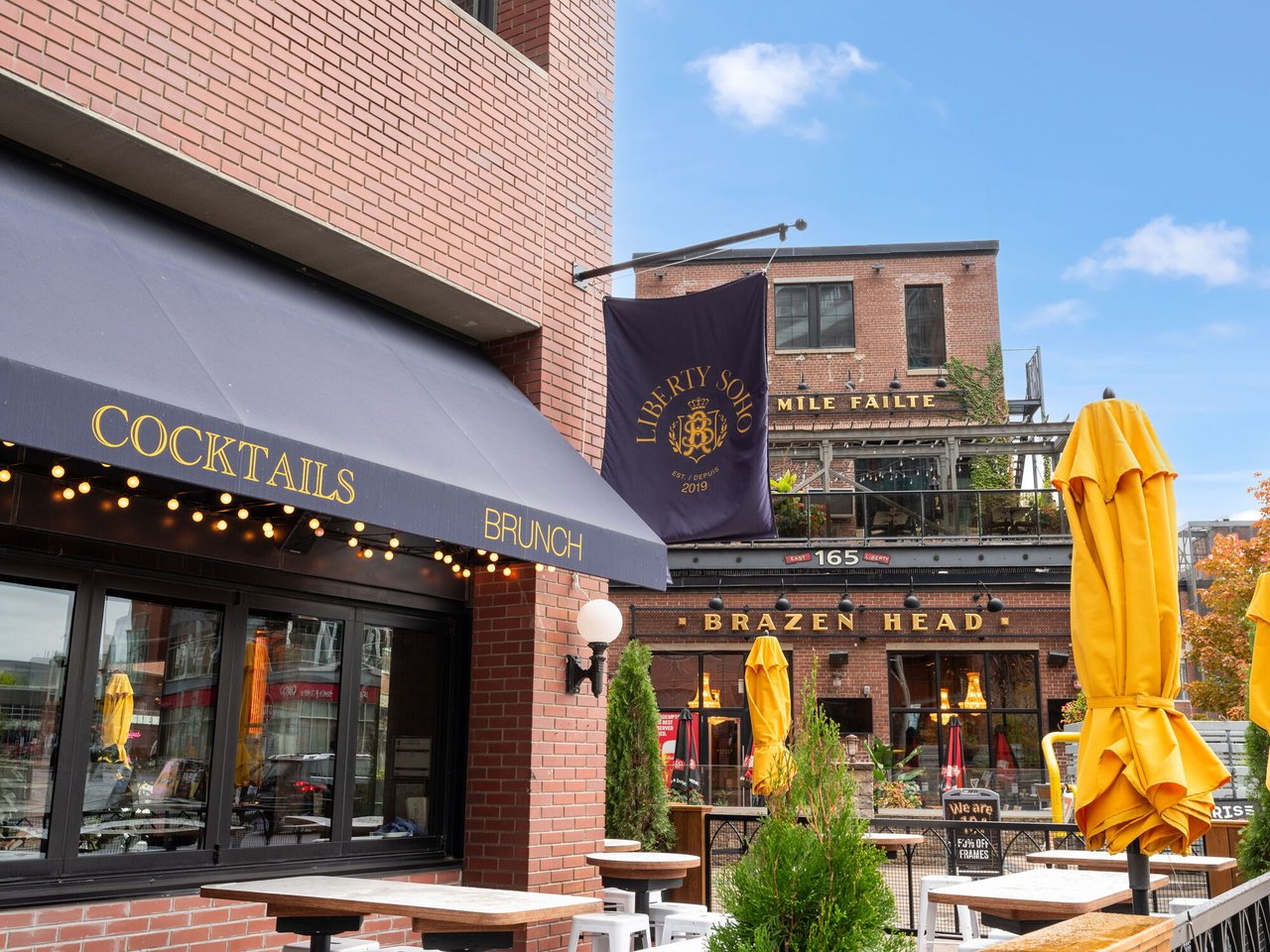
Weighing an investment closer to home instead? See what is on the market in Etobicoke and Liberty Village, or ask us to run a property's numbers with you.
Gross yield is a year of rent divided by the purchase price. Simple, crude, useful for comparing cities. A cap rate is the stricter cousin: rent minus operating costs like condo fees, property tax and insurance, divided by price. It asks what the property earns as a business before any mortgage. Cash flow is what survives after everything, including the mortgage payment. Each number is smaller than the last, and the ads always quote the first one.
City | Condo price measure | Average asking rent | Rough gross yield |
|---|---|---|---|
Toronto (416) | $672,807 average condo price, July 2026 (TRREB) | $2,537 | About 4.5 per cent |
Calgary | $297,600 apartment benchmark, July 2026 (CREB) | $1,820 | About 7.3 per cent |
Edmonton | $202,100 apartment benchmark, June 2026 (RAE) | $1,508 | About 9 per cent |
Prices from each local real estate board as noted. Rents are Rentals.ca average apartment and condo asking rents for June 2026, all unit sizes blended. The price measures differ between boards, so read the yields as directional, not precise.
Price is the denominator, and Toronto's denominator is enormous. Even after three years of declines, GTA condo prices still carry decades of accumulated growth expectations. Calgary and Edmonton stay cheap for a structural reason economists call supply elasticity: builders there can add homes quickly when demand rises, which keeps prices anchored closer to construction costs and keeps rents from running away.
Here is the catch. The same easy supply that creates high yields also caps the growth. Calgary's apartment benchmark is down more than 8 per cent in a year as new condo supply piles up, and Edmonton's average asking rents fell about 4 per cent over the same period. The fat yield is partly a payment for accepting flat or falling prices. Toronto's thin yield is partly the price of betting on scarcity. Neither number is free money.
Running numbers closer to home? Start with these:
Take the prettiest number on the table, Edmonton at roughly 9 per cent gross. Now subtract condo fees, often several hundred dollars a month in any building with an elevator, then property tax, insurance, a vacancy allowance and repairs. Then the mortgage. With 20 per cent down at today's rates, a chunk of that yield goes straight to the lender. The unit can still work, but the spreadsheet gets a lot less exciting on line nine than it was on line one. That is true in every city; high yield markets just start with more cushion.
Buying two provinces away means paying someone else to be you. A property manager takes a slice of every month's rent, and you lose the thing local landlords quietly rely on, which is knowing the block, the building and the going rate for everything. Add travel, dual sets of professionals, and the transaction costs of eventually selling, and the yield advantage narrows. Some investors make remote ownership work well. They tend to be systematic about it, not spreadsheet tourists.
One more thing worth knowing before you shop beyond the GTA. Dave Dubbin & Associates is part of Sotheby's International Realty, and the network behind that name is truly global: more than 26,000 sales associates in over 1,100 offices across more than 80 countries and territories, carrying a brand whose auction house heritage dates back to 1744. In practice, that means when a client's plans point to Calgary, Kelowna, Muskoka, Miami or Milan, we do not hand you a phone book and wish you luck. We connect you with a trusted Sotheby's International Realty professional who knows their market the way we know ours, and we stay involved from first call to closing. That support covers an investment condo two provinces over just as well as a home an ocean away. We support our clients' real estate needs across Canada and around the globe. The reach is international. The standard of care is the one you get on our own streets.
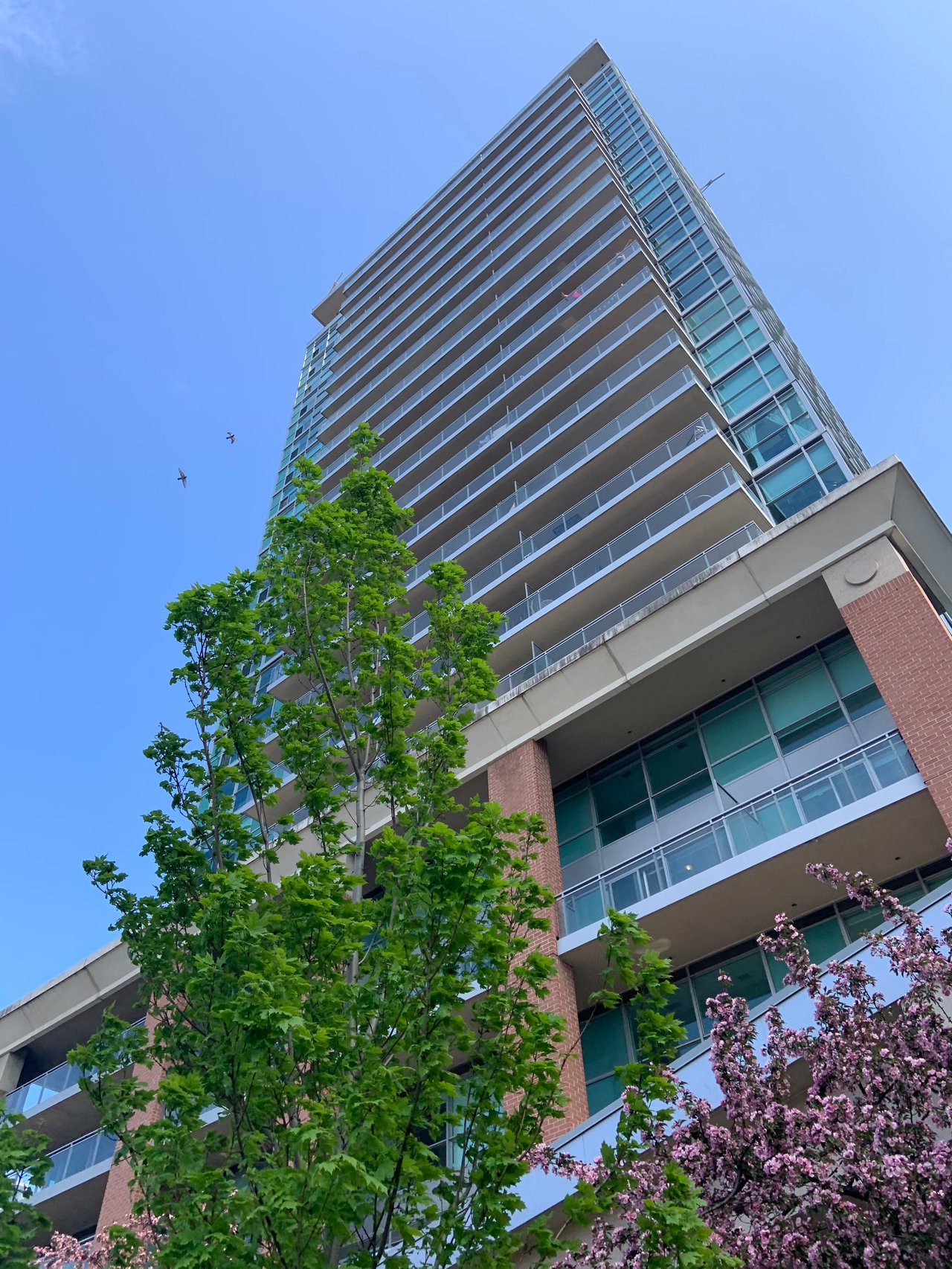
Toronto's 4.5 per cent average hides a wide range, and the west end sits on the better side of it. Three years of falling condo prices with rents holding firmer have pushed Etobicoke and Liberty Village yields to their most interesting levels in a decade. The entry price is doing the work right now. A cheaper mortgage would help too, and the Bank of Canada's next decision lands September 2, with the policy rate at 2.25 per cent after six straight holds.
The highest yield city on a spreadsheet is not automatically the best investment, and this is information, not investment advice. We are realtors, not financial advisors, so pressure test any purchase with your accountant. What we can tell you is which local buildings rent fast, what tenants actually pay, and which listings deserve a spot on the spreadsheet in the first place.
Want the west end version of this math on a real listing? Get in touch, we will bring the numbers.
Dave Dubbin
Real Estate Expert
Dave Dubbin & Associates
Real Estate Broker for Etobicoke and Toronto
Sotheby's International Realty, Canada
Stay up to date on the latest real estate trends.
Liberty Villiage
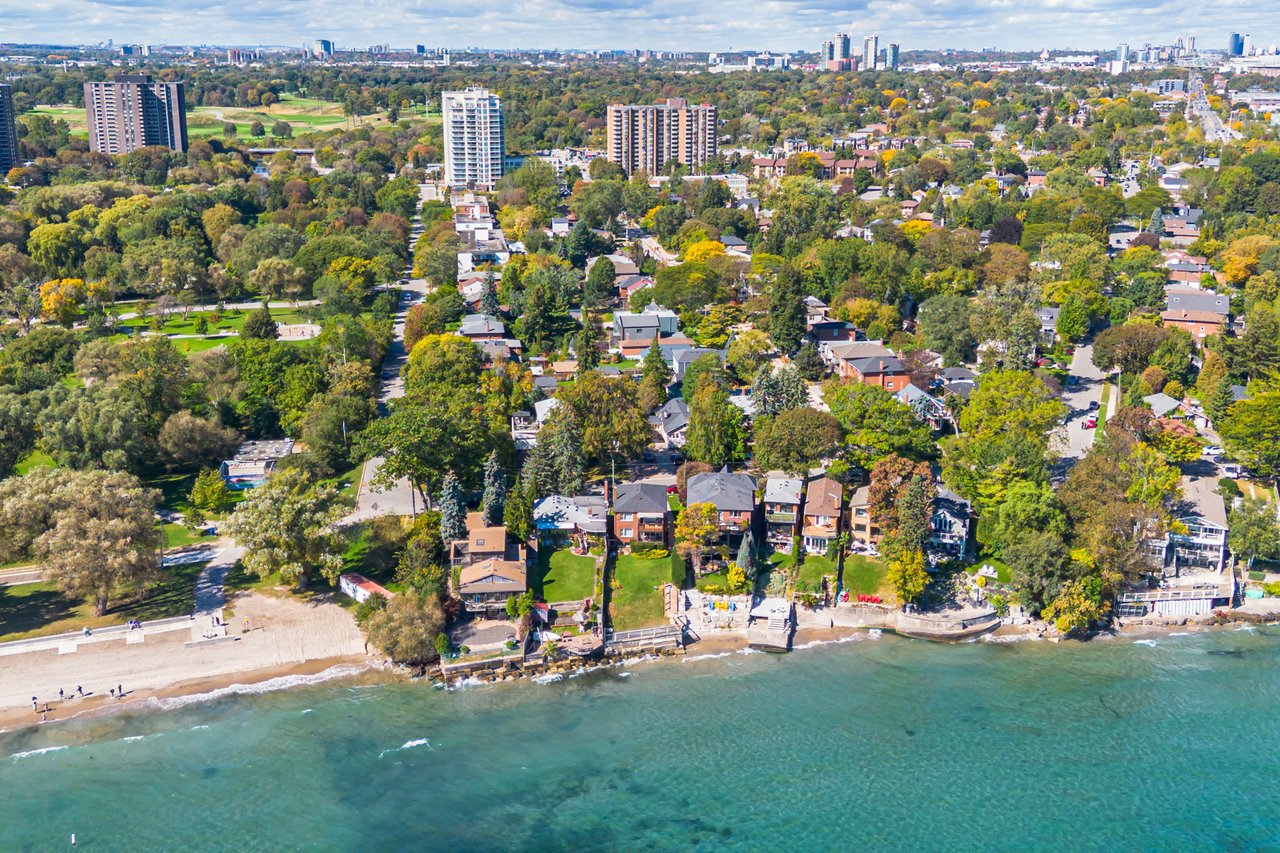
Etobicoke Lifestyle & Community
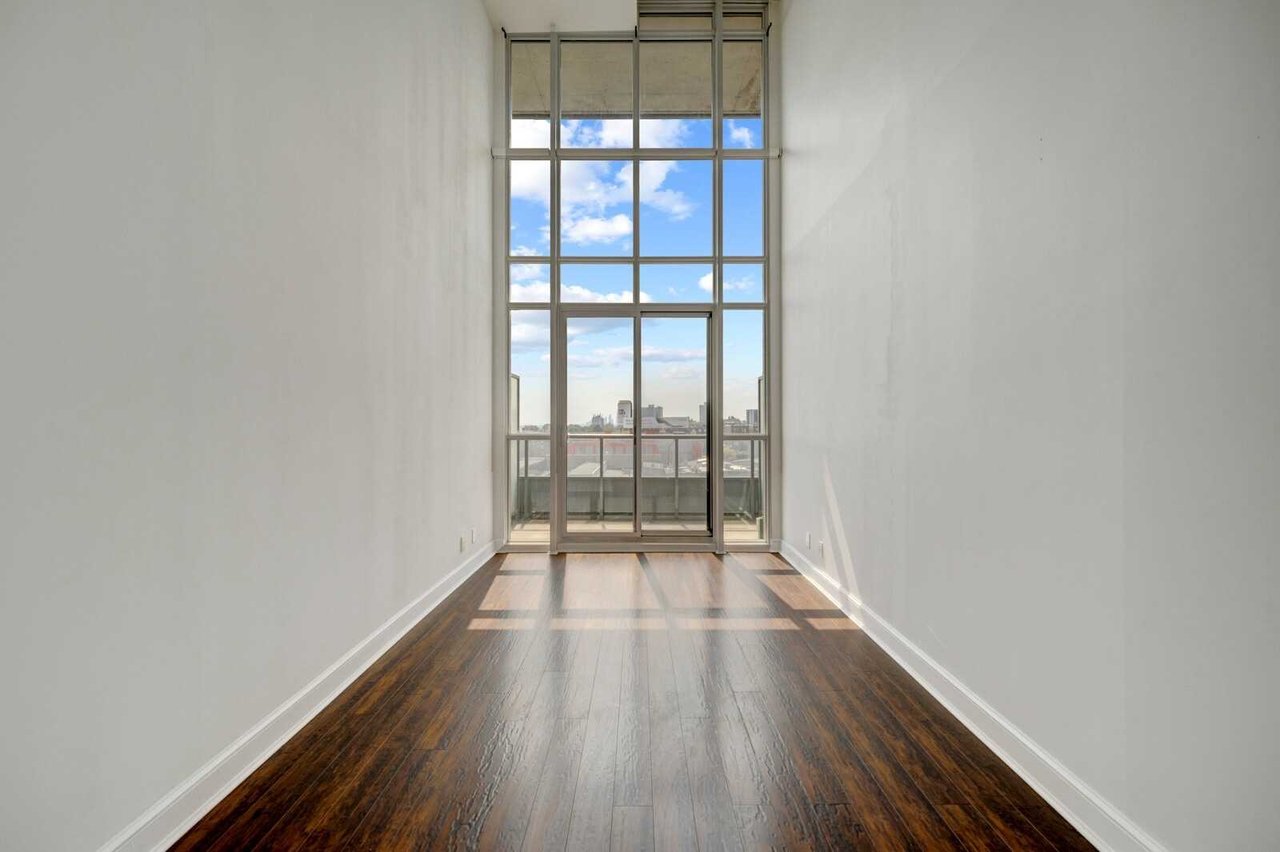
Liberty Villiage

Buyer Advice
Buyer Advice
Market Insight

Buyer Advice

Community Feature

Market Insight

DAVE DUBBIN & ASSOCIATES
3109 BLOOR ST W #1 TORONTO ON M8X 1E2 CANADA