When Financing Falls Through: What It Costs and How to Avoid It
Buyer Advice Dave Dubbin August 16, 2026
Buyer Advice Dave Dubbin August 16, 2026
A financing condition protects you while it is alive and not one day longer. If your lender says no while the condition is still in place, you walk and your deposit comes back. If it collapses after you waived, you are on the hook to close, and the deposit is the smallest part of what you can lose. In a market where prices have drifted down, the most common cause is not a credit problem. It is the appraisal coming in under the price you agreed to pay.
Sorting out what you can actually finance before you write? Get in touch and we will walk through the condition wording and the timeline with you.
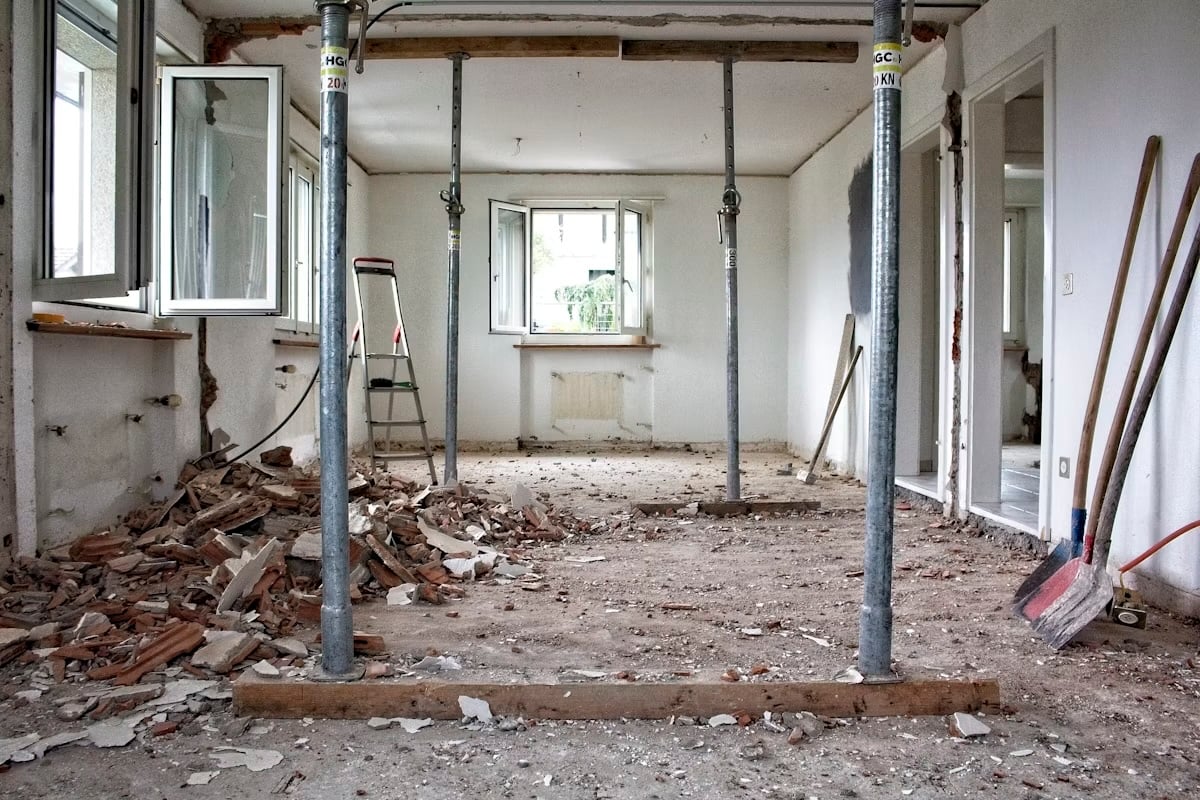
Photo: Unsplash
A pre-approval prices you as a borrower. It looks at your income, your debts and your credit, and it holds a rate. What it has not done is look at the property. The lender underwrites the actual unit once you have a signed agreement, and that is where deals die.
The lender lends against the lesser of the purchase price and the appraised value. Not the price you agreed to. The lesser of the two. If the appraisal comes in low, the lender funds a percentage of the lower number and you make up the difference in cash.
| Appraisal matches price | Appraisal comes in $40,000 low |
|---|---|---|
Purchase price | $800,000 | $800,000 |
Appraised value | $800,000 | $760,000 |
Lender advances 80% of the lesser figure | $640,000 | $608,000 |
Cash you must bring | $160,000 | $192,000 |
Extra cash needed on closing day | $0 | $32,000 |
Illustrative example at an 80 percent loan to value. A 5 percent miss on the appraisal creates a 20 percent increase in the cash you need. That leverage cuts both ways, and this is the direction people forget.
That is the part worth sitting with. The gap does not come off your mortgage in small pieces. It lands entirely on the cash side, weeks before closing, and most buyers do not have another $32,000 sitting idle.
Three posts worth reading before you write an offer:
The stress test. Federally regulated lenders qualify you at the greater of your contract rate plus 2 percent or 5.25 percent, a rule OSFI left unchanged as of January 2026. You are approved on a payment you are not actually making. If your income drops or your debts rise between the pre-approval and the closing, the qualifying number moves against you.
Anything that changes your file. New car loan, a credit card balance that jumped, a job change, even switching from salaried to contract at the same employer. Lenders re-pull credit and re-verify employment close to closing. We have seen a deal wobble because a buyer financed a sofa.
The building itself. On condos, lenders look at the status certificate, the reserve fund and sometimes the percentage of the building that is rented. A unit under 500 square feet, a building in litigation or a thin reserve fund can each cause a lender to reduce the loan or decline it, no matter how strong the borrower is.
Ontario courts treat the deposit and damages as two separate things. The deposit is generally forfeited on a breach without the seller proving any loss. The damages claim comes on top.
If the seller relists and sells for less, the shortfall is claimable, along with carrying costs while it sits, mortgage interest, property taxes, utilities, legal fees, marketing and a second commission. Where the seller had a purchase of their own tied to that closing, the chain of losses can extend further. Ontario courts have been enforcing these against buyers who walk.
So the exposure is not the $30,000 deposit. On a deal that resells $60,000 lower six months later, the total can run well past $100,000. That is the number worth having in your head when someone suggests dropping the condition to make an offer look stronger.
Give the condition enough room. Five business days is common and it is tight if an appraisal has to be ordered. Ask for what you need rather than what looks competitive.
Have your broker order the appraisal early in the condition period, not on day four. Send your lender the listing and any recent comparable sales in the building or on the street. An appraiser working with better information produces a better number.
Keep your file frozen from pre-approval through closing. No new credit, no large unexplained deposits, no job changes if you can help it.
And know your cash ceiling before you write. If a 5 percent appraisal miss would sink you, that is worth knowing at the offer stage rather than three weeks out.
The counterpoint: in a market with the inventory levels we have seen this summer, most buyers do not need to waive financing to win. That was a 2021 and 2022 behaviour born of competition that mostly is not there right now. Where it still shows up is on genuinely scarce properties with several offers, and even then it is worth asking whether the property is worth the exposure above.
We are brokers, not lawyers or mortgage agents. Wording on a financing condition should come from your lawyer and the approval itself from your mortgage professional. Our job is making sure the timeline is realistic and you are not waiving something you need.
Working out what you can safely offer? Start with what your current place is worth, or reach out and we will map the financing timeline against the closing date.
Dave Dubbin
Real Estate Expert
Dave Dubbin & Associates
Real Estate Broker for Etobicoke and Toronto
Sotheby's International Realty, Canada
Stay up to date on the latest real estate trends.
Buyer Advice

Market Insight

Buyer Advice

Community Feature

Market Insight

Market Insight

Buyer Advice

Buyer Advice

Market Insight

DAVE DUBBIN & ASSOCIATES
3109 BLOOR ST W #1 TORONTO ON M8X 1E2 CANADA