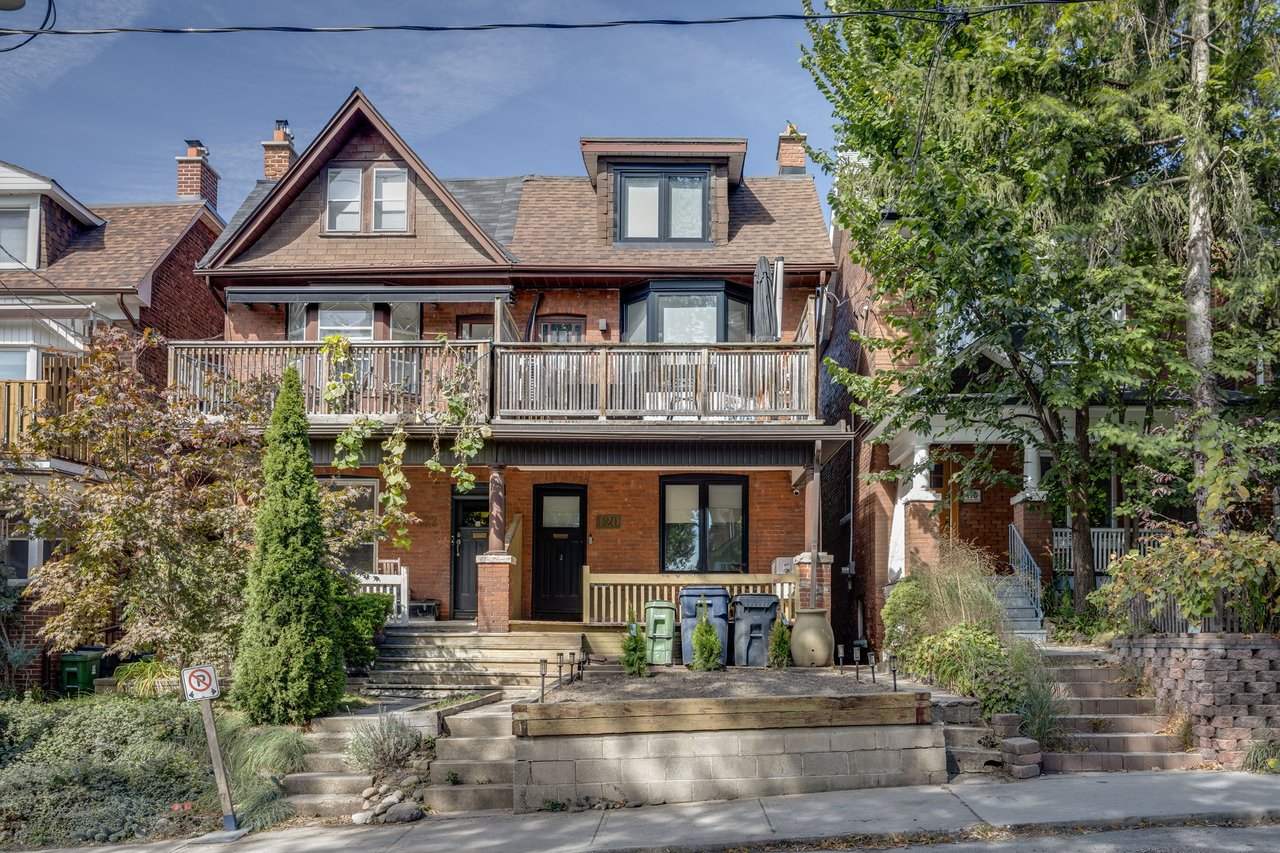
What Does a Home Inspection Actually Catch?
Buyer Advice Dave Dubbin July 14, 2026
Buyer Advice Dave Dubbin July 14, 2026
A good home inspection catches the expensive stuff: the aging roof, the damp basement corner, the electrical panel from another era, the furnace on borrowed time. What it does not do is guarantee a perfect house, and buyers who understand the difference get far more value out of their few hundred dollars than buyers who treat the report as a pass or fail grade. Here is how the whole thing actually works.
Buying soon and want a second set of eyes on a listing? Reach out, we have walked through more of these than we can count.
A standard inspection is a visual, top to bottom review of the home's major systems: roof and attic, foundation and structure, electrical, plumbing, heating and cooling, insulation, windows, grading and drainage outside. The inspector is looking for signs, water staining, amateur wiring, cracks that mean something, and for age, how many years the big ticket items have left.
You should attend, and do more than watch. A good inspector narrates as they go, and the education is half the value: where the shutoffs are, what that noise is, which issues are cosmetic and which are structural. Two or three hours following someone knowledgeable through your future house is the best crash course in homeownership there is.
Inspectors do not have x-ray vision, and the standard inspection has limits. They cannot see inside walls, under finished basements, or beneath the snow on a January roof. Sewer lines, buried oil tanks, and the true condition of a fully renovated flip can all hide from a visual inspection. For older homes, a separate sewer camera scope is cheap insurance. If something specific worries you, chimney, pool, wood stove, there are specialists for each.
The report will also flag dozens of small items. Do not panic at the page count. Every house, including the one you live in now, generates a long list. What matters is the short list: items measured in thousands, not the loose doorknob.
First time through the buying process? These will help.
In a balanced market, your offer can include an inspection condition: the deal only firms up if the inspection satisfies you. It is the cleanest protection a buyer has, and in most situations we recommend it without hesitation.
In competitive situations, sellers favour clean offers, and buyers feel pressure to waive the condition. There is a middle path: do the inspection before offer night. A pre-offer inspection costs you the fee with no guarantee you win the house, but it lets you bid clean with open eyes instead of clean and blind. Some listings also come with a seller-provided inspection report, which is useful reading but was commissioned by the seller, so treat it as a starting point, not gospel.
What we try to steer buyers away from is the worst version: waiving inspection on an older house, sight mostly unseen, because adrenaline took over. No house is worth buying with your eyes closed.
Expect a few hundred dollars, typically in the $400 to $700 range depending on the size and age of the home, more with add-ons like a sewer scope. Against the price of a home it rounds to zero. One flagged furnace, one damp foundation, one aluminum wiring surprise, and the inspection has paid for itself fifty times over, either by letting you walk away or by giving you real numbers to negotiate with.
One more thing worth knowing. After years of deals across Etobicoke and Toronto, we have built a bench of professionals we trust: home inspectors, real estate lawyers, mortgage brokers, contractors, and the specialists for everything from sewer scopes to chimneys. Finding good people is half the stress of a purchase, so do not be shy about borrowing our list. Reach out and we will happily make the introduction.
For condos, the physical inspection matters less, you own from the drywall in, and the status certificate matters more, because the building's finances are the thing that can really cost you. A lawyer's review of the status certificate is the condo equivalent of the inspection, and we would not buy without it.
Inspect for the big systems, attend in person, read the report for the thousands and not the doorknobs, and think hard before waiving the condition on an older home. It is the cheapest professional advice you will ever buy on the most expensive thing you will ever own.
Want a buying process with fewer surprises? Contact us or start browsing current listings.
Dave Dubbin
Real Estate Expert
Dave Dubbin & Associates
Real Estate Broker for Etobicoke and Toronto
Sotheby's International Realty, Canada
Stay up to date on the latest real estate trends.
Buyer Advice
Market Insight

Buyer Advice

Community Feature

Market Insight

Market Insight

Buyer Advice
Buyer Advice

Market Insight

DAVE DUBBIN & ASSOCIATES
3109 BLOOR ST W #1 TORONTO ON M8X 1E2 CANADA