Spring 2026 Real Estate Market Is Tightening
Market Insight Dave Dubbin June 19, 2026
Market Insight Dave Dubbin June 19, 2026
Is the Toronto real estate market finally building momentum, or is this just another false spring?
The May 2026 TRREB Market Watch tells a clear story: more buyers, far fewer listings, and prices that are edging upward month over month, even as they remain below last year. The window that favoured buyers is still open, but it's closing faster than most people realize.
Wondering what the tightening means for your own address? Get a free valuation while the window is open.
According to TRREB, 6,583 homes sold across the GTA in May 2026, a 6.3% increase over May 2025. That's the third consecutive month of year-over-year sales gains, a streak that hasn't been seen since 2023.
The supply side of the equation tells an equally important story. New listings fell sharply, dropping 18.9% year-over-year to 17,698, while active inventory declined 14.4% to 26,927. Sales rising while listings fall is the classic definition of a tightening market.
On a seasonally adjusted basis, May 2026 home sales were up 10% month-over-month compared to April 2026, and new listings were down 2.1%, pointing to a monthly tightening of market conditions as well.
The GTA benchmark home price for May 2026 was $946,500, down 6.7% year-over-year but up 0.3% month-over-month. The average home sold price increased 1.7% from April 2026 to $1,069,700, and the median price rose 3.4% monthly to $910,000.
That combination, more sales, fewer listings, prices rising month over month, is a market in transition. Not a seller's market yet. But clearly no longer a flat buyer's market either.
To properly interpret today's numbers, context matters. Here's where the GTA average price has stood at this time of year over the past decade, drawn from TRREB's historic data:
The 416 detached peaked at $2,074,000 in February 2022. It sits at approximately $1,611,000 today, a roughly 22% decline from peak. For buyers who sat out the frenzy, this correction represents a meaningful and potentially durable entry opportunity.
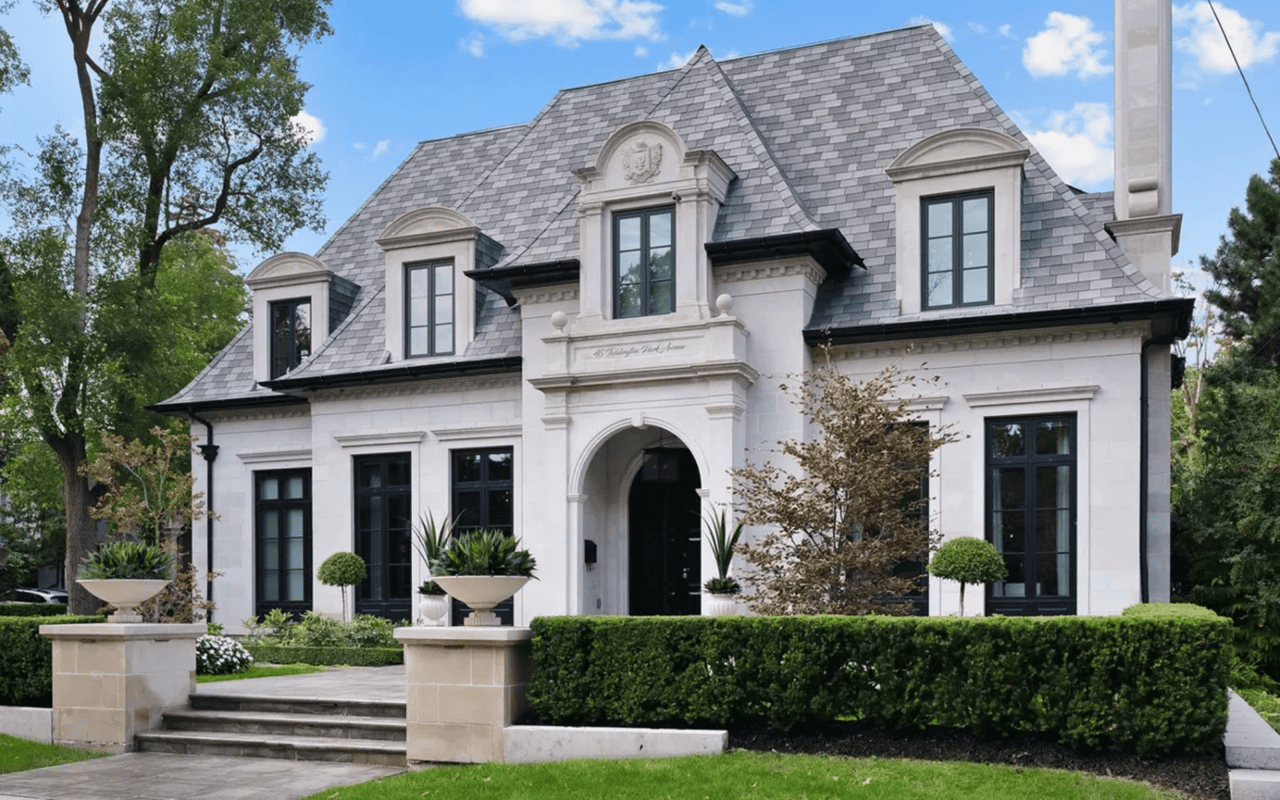
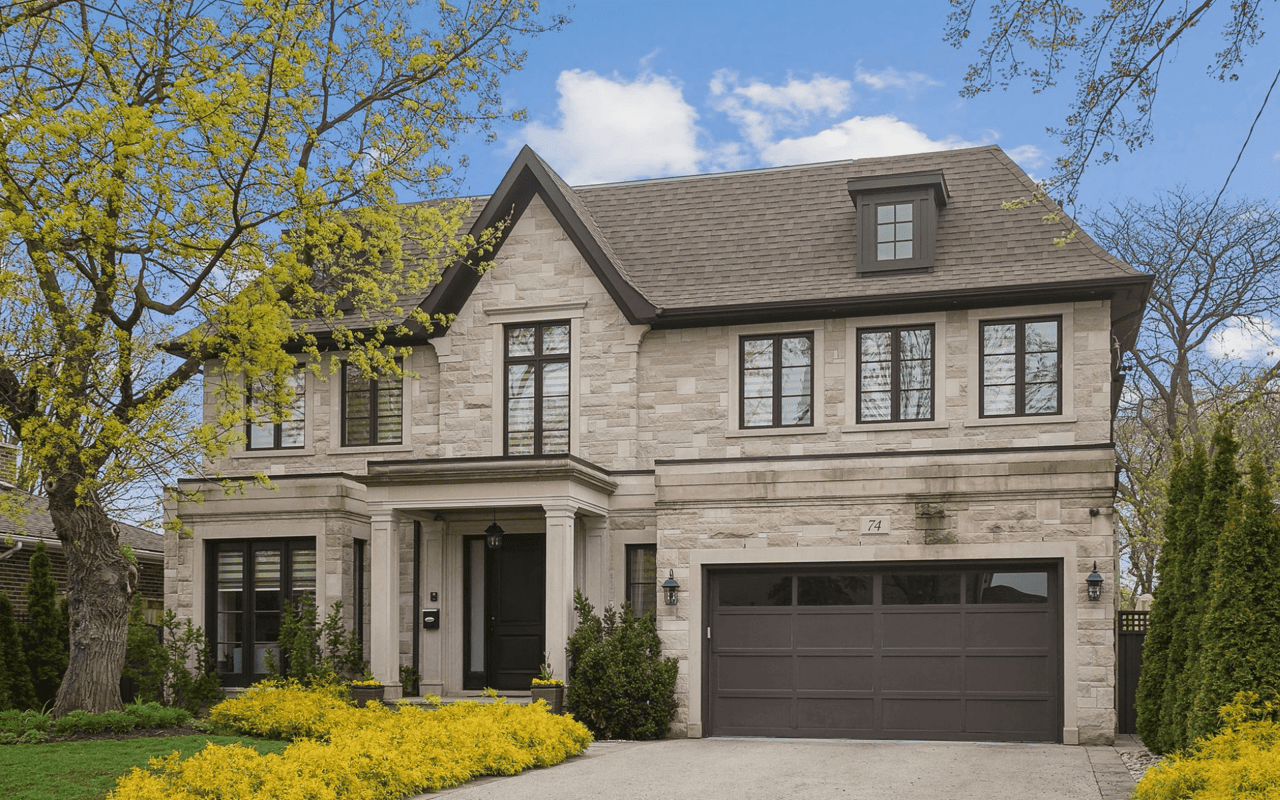
Detached homes across the GTA averaged $1,358,131 in May 2026, down 4.7% year-over-year. But the headline masks a stark divide between the 416 and 905.
In the City of Toronto (416), buyers completed 2,377 sales at an average price of $1,108,292, with detached homes commanding an average of $1,610,988. The 416 detached SNLR sits at 40%, still technically buyer's market territory, but the monthly price trend was up 3% in May, fitting the broader pattern of prices edging up since January.
The 905 is a different equation. An SNLR of 37% in the 905 means buyers still have real leverage in negotiations. Prices there have given back more from peak and remain under more supply pressure than the city core.
For Etobicoke specifically, the 416 dynamic applies, finite land supply, strong rental demand, and consistent end-user activity. Established freehold neighbourhoods in Etobicoke continue to outperform the broader 905 on price resilience.
Semi-detached home average prices decreased 2.8% year-over-year to $1.07M across the GTA. In Toronto, semi-detached homes averaged $1,293,268 across 283 sales, while the 905 came in well under the million-dollar mark at $953,982 across 325 sales.
The 416 semi-detached is the one segment already at balanced territory with an SNLR of 55%, the most constrained segment in the city in terms of supply, and the one most often targeted for multiplex conversions. If you're looking for a signal of where freehold demand is genuinely holding up, this is it.
Freehold townhomes across the GTA sold for an average of $916,474 in May 2026. Freehold townhouse average prices decreased 8% year-over-year, though sales were stronger, rising 17.1% monthly and 2% annually to 663.
This segment still offers buyers meaningful negotiating room. For sellers, correct pricing is essential, the volume recovery is real, but it's price-sensitive buyers driving it.
This is still one of the better entry windows the 416 freehold market has offered since 2019. You have time, you can add conditions, and you can negotiate, especially on properties that have sat beyond 20 days. Toronto's 10-year May SNLR average is 55%. The current overall SNLR is 37%. That gap is closing. When it closes, the negotiating leverage buyers have right now disappears with it.
The buyers who will look back on this period with satisfaction are the ones who moved while the window was still open, not the ones who waited for confirmation that it had closed.
Three consecutive months of sales gains and sharply falling new listings means the market is working in your favour directionally. The SNLR is moving the right way. But the market is still not forgiving overpriced listings. Buyers have done their homework and they know what recent comparables look like.
Sellers who price correctly, present well, and bring their home to market now, before late summer inventory typically rises, are positioned to transact with less competition. Waiting for the "perfect" market usually means missing the one you're already in.
More market coverage:
Keep following the market series:
Condo apartments saw 1,535 sales in May 2026 at an average price of $639,468, the largest year-over-year price decline of any segment at 9.5%.
The correction was sharpest in the 905 region, where average condo prices slipped 9.5% year-over-year to $573,531. In the City of Toronto's 416, the decline was more contained at 5.0%, with average values settling at $673,841.
The TRREB MLS HPI apartment benchmark fell 9.12% year-over-year to $539,400 across all TRREB areas, a more severe measure of underlying value erosion than the average price figure alone suggests.
Condos anchored the most affordable end of the overall market, with 872 sales recorded under $600,000, the bulk of them in this segment. First-time buyers are re-entering, and they're focused on value.
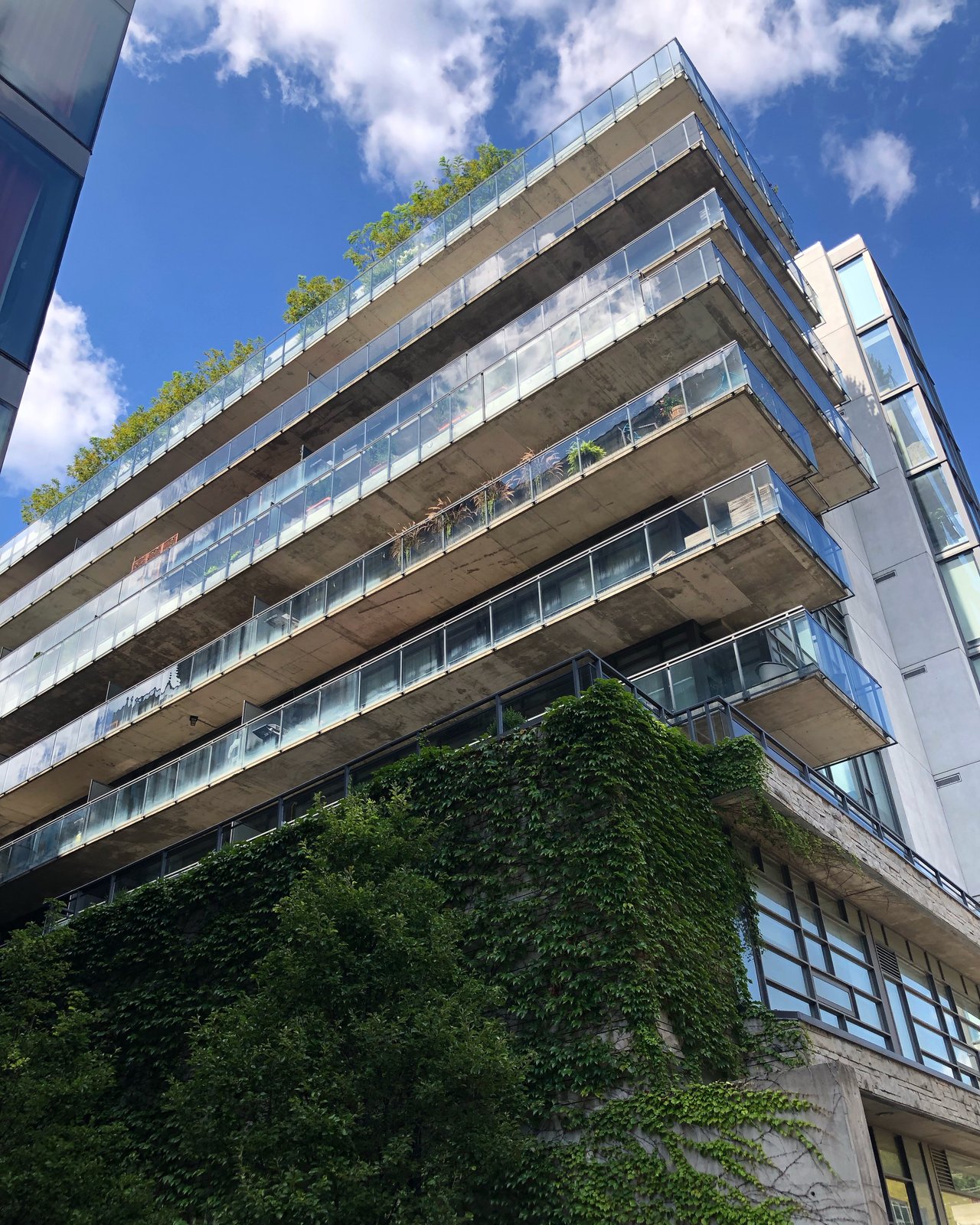
The condo market offers the deepest price relief of any segment in the GTA right now. You are entering at prices roughly 18 to 22% below the 2022 peak depending on unit type and location. Inventory remains elevated, and sellers in this segment are negotiable.
That said, precision matters. Small investor-grade units in oversupplied downtown towers face the most headwinds, both on price and rental yield. Well-located units in established mid-rise buildings near transit in Etobicoke, the west end, and midtown Toronto are performing meaningfully better. Focus on buildings with healthy reserve funds, reasonable maintenance fees, and strong owner-occupant ratios. Those fundamentals protect your investment when the broader market is still finding its floor.
This remains the most challenging segment to sell in right now. Inventory is elevated, competition is real, and buyers have options. The price declines are the steepest of any property type.
But volume is picking up, 1,535 condo sales in a single month is a meaningful number. Buyers are in the market. They're selective, price-conscious, and doing their due diligence. If your unit is priced ahead of where the market actually is, you will sit. If it's priced to reflect current reality, it will move.
For condo sellers in Etobicoke, proximity to transit, waterfront access, and well-maintained buildings with strong financials continue to command a premium that downtown oversupply doesn't erase. Know your building's competitive position before you set your list price.
Several macro forces are shaping buyer and seller decisions heading into the second half of 2026:
The trajectory is set. The question is whether you act on it now or wait until it's confirmed in the headlines.
May 2026 is not a market of extremes, it's a market of transition. Sales are up for the third straight month. New listings are falling hard. Prices are rising month over month while still sitting below last year. That combination has historically preceded a more decisive recovery.
For buyers, the data is pointing toward a narrowing window. For sellers, the direction of travel is working in your favour, but execution matters now more than timing.
A freehold in Etobicoke, a condo near the waterfront, a strategic move within the city: the decisions you make in the next 60 to 90 days will look very different in hindsight than they do today.
Want a plan built on this data and your street’s reality? Book a call, the next 60 to 90 days are the interesting ones.
Dave Dubbin
Real Estate Expert
Dave Dubbin & Associates
Real Estate Broker for Etobicoke and Toronto
Sotheby's International Realty, Canada
Stay up to date on the latest real estate trends.
Liberty Villiage
Etobicoke Lifestyle & Community
Liberty Villiage

Buyer Advice
Buyer Advice
Market Insight

Buyer Advice

Community Feature

Market Insight

DAVE DUBBIN & ASSOCIATES
3109 BLOOR ST W #1 TORONTO ON M8X 1E2 CANADA