Etobicoke's Disappearing Bungalows: The Infill Economics
Market Insight Dave Dubbin August 15, 2026
Market Insight Dave Dubbin August 15, 2026
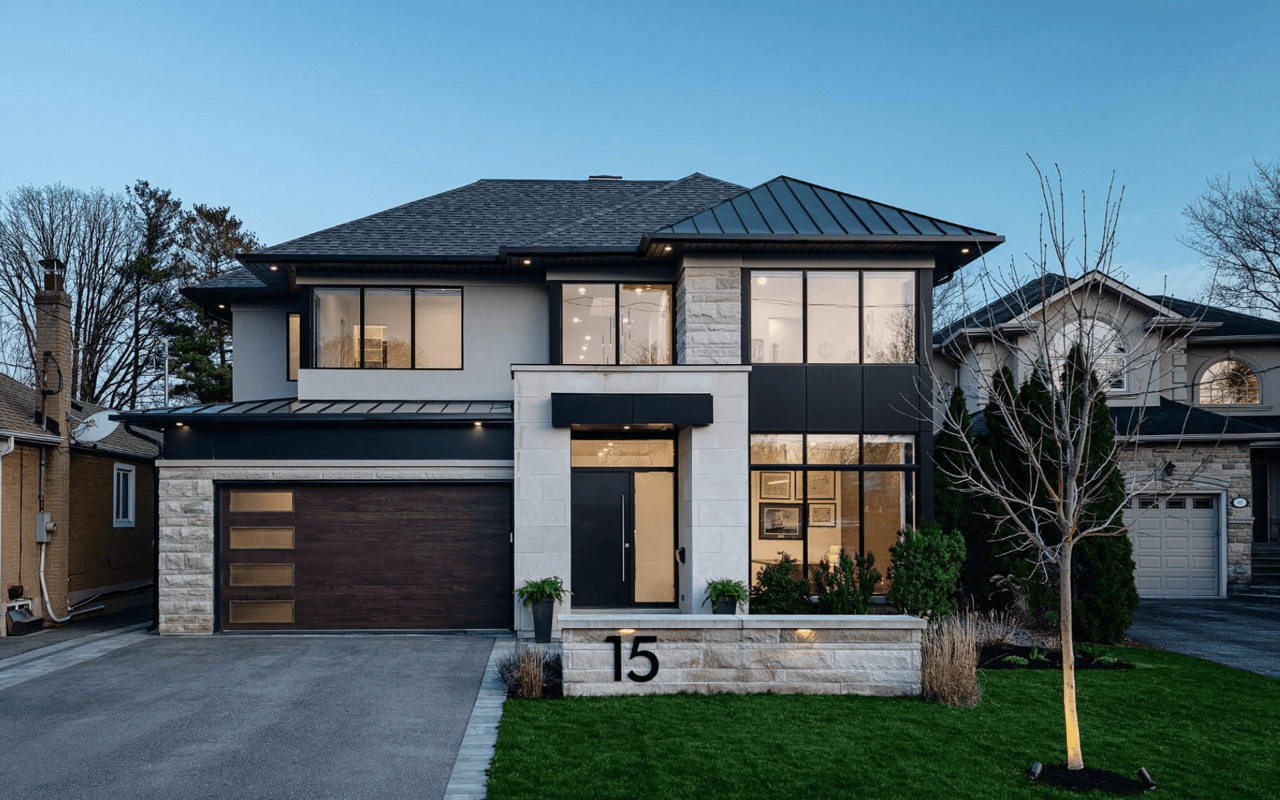
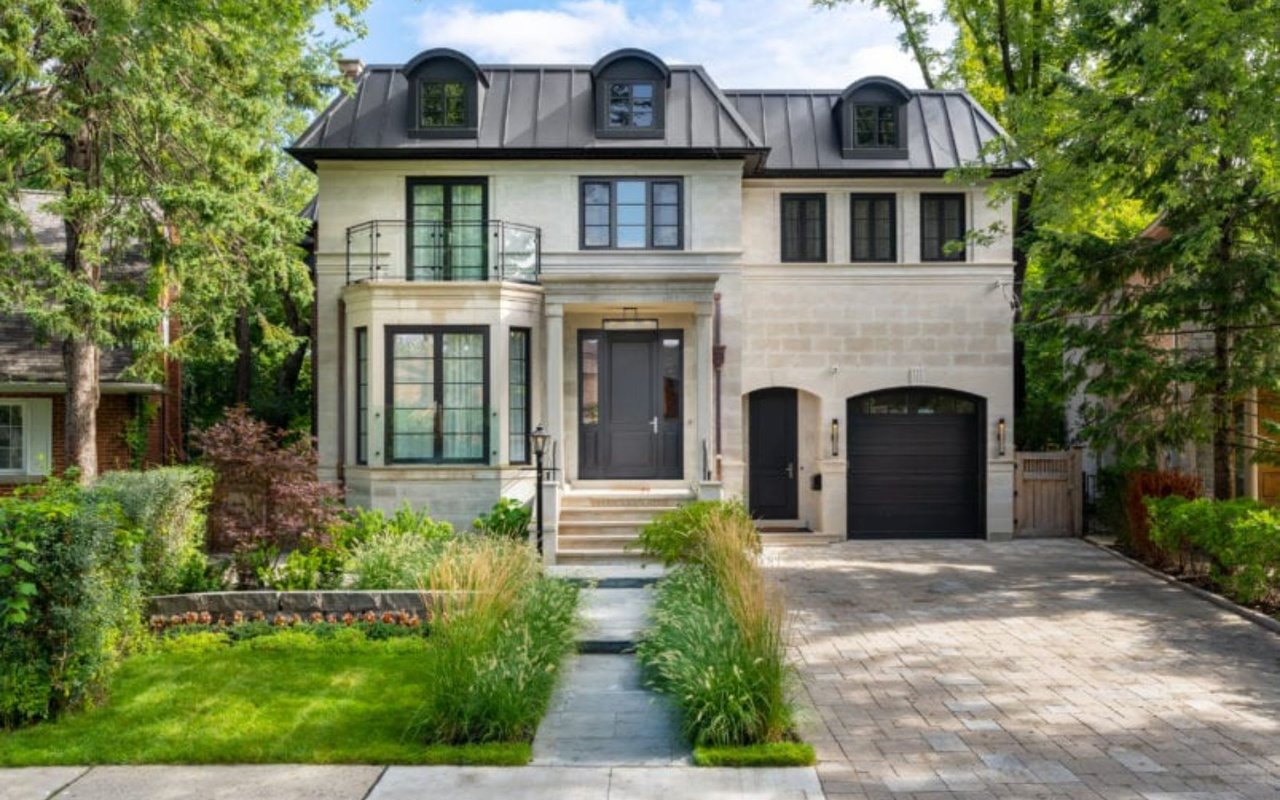
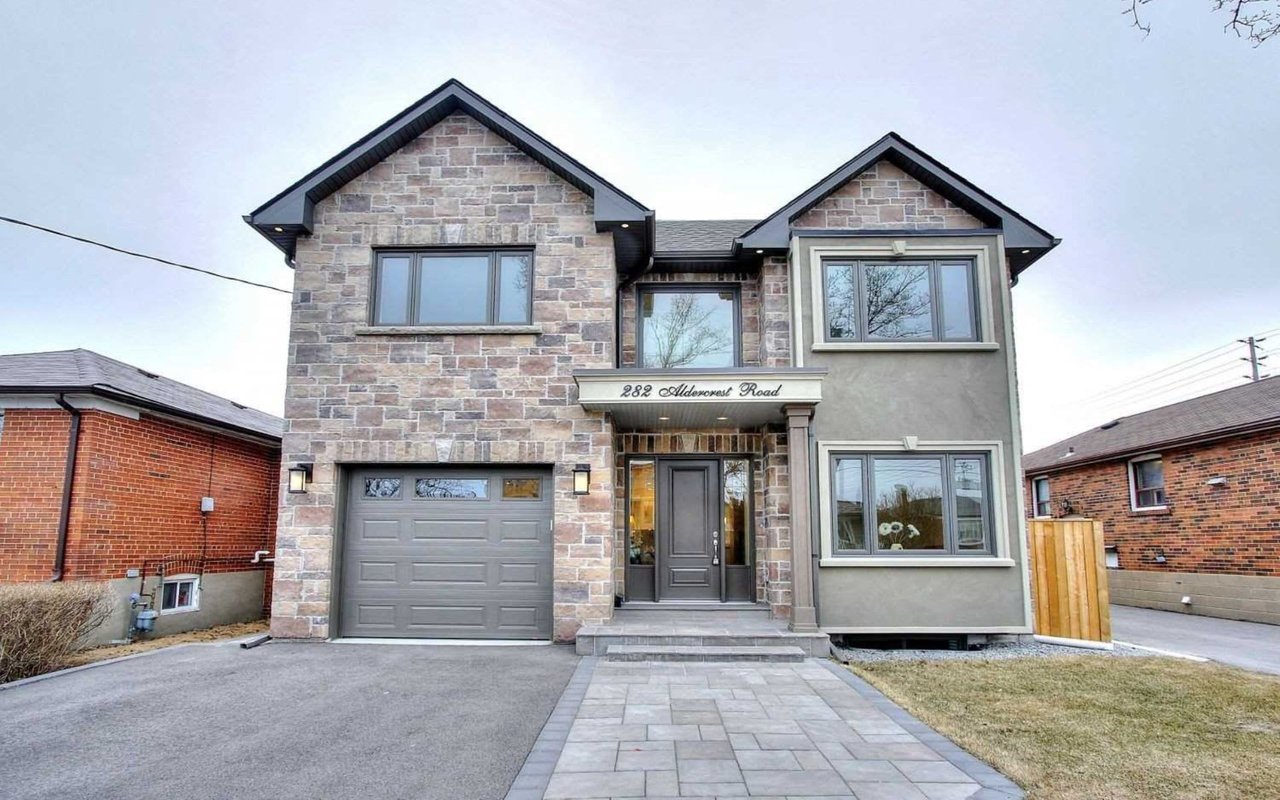
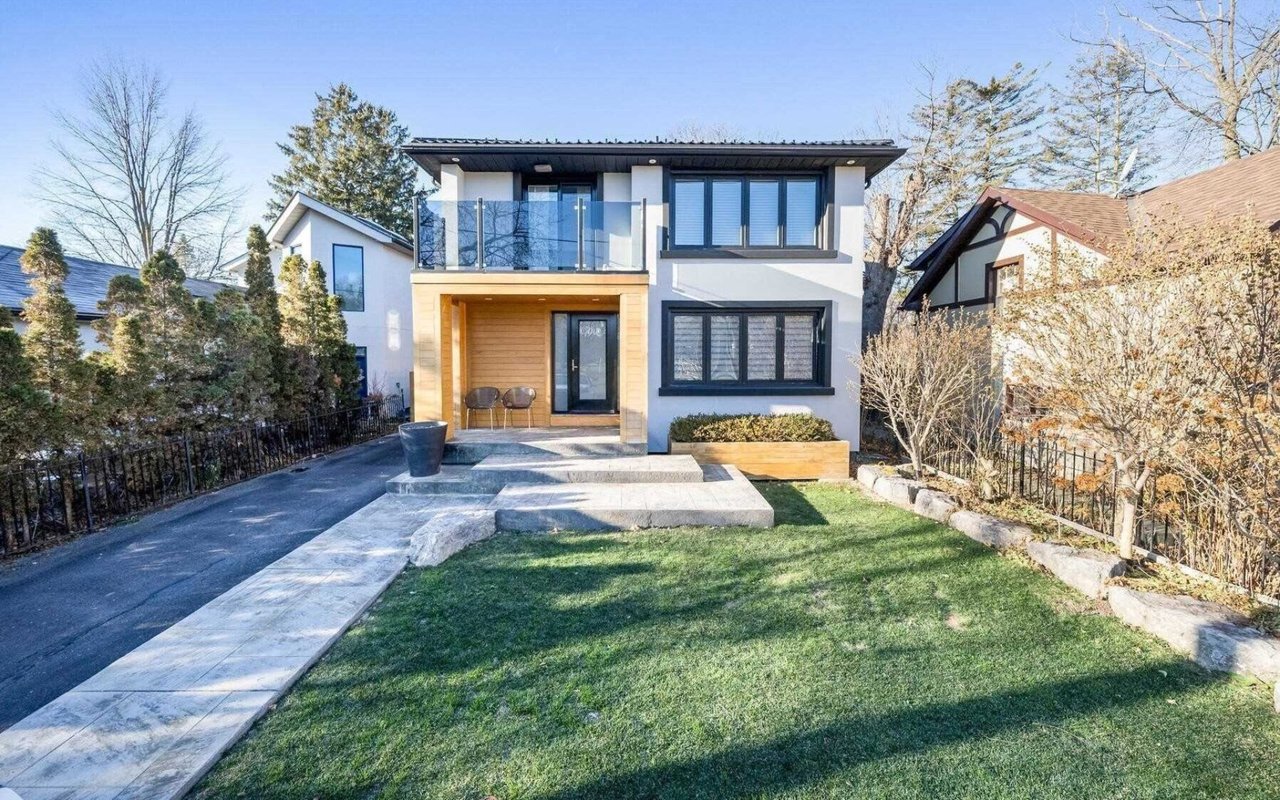
Why do Etobicoke's bungalows keep disappearing? Because on a growing number of streets, the lot is worth more than the house sitting on it. When a builder can pay full land value, outbid every family who just wants to live there, and still make a margin on whatever replaces it, the bungalow's days are numbered. That is the whole story in one sentence. The rest of this post is the arithmetic behind it, what changed in 2026, and what it means depending on which side of the transaction you are on.
Own a bungalow and wondering what the land under it is worth? Start with a free home valuation. The answer surprises people more often than you would think.
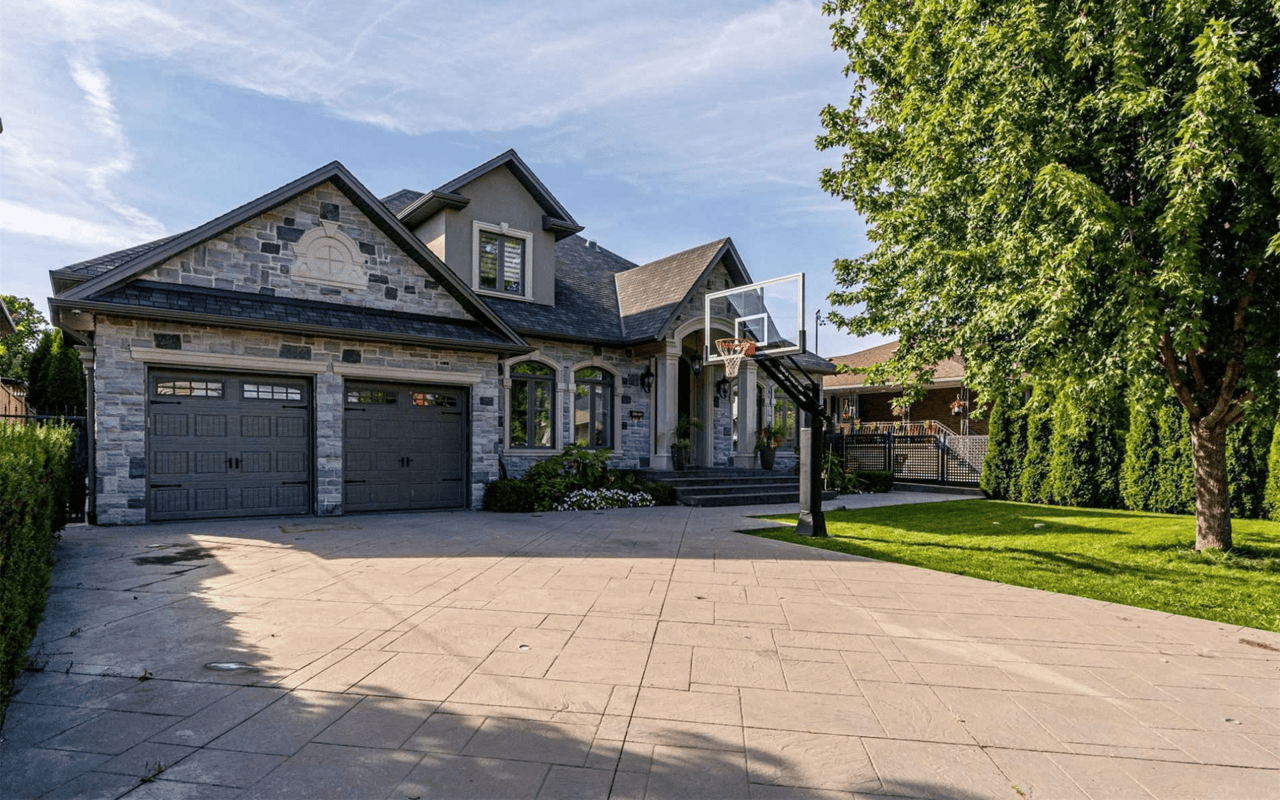
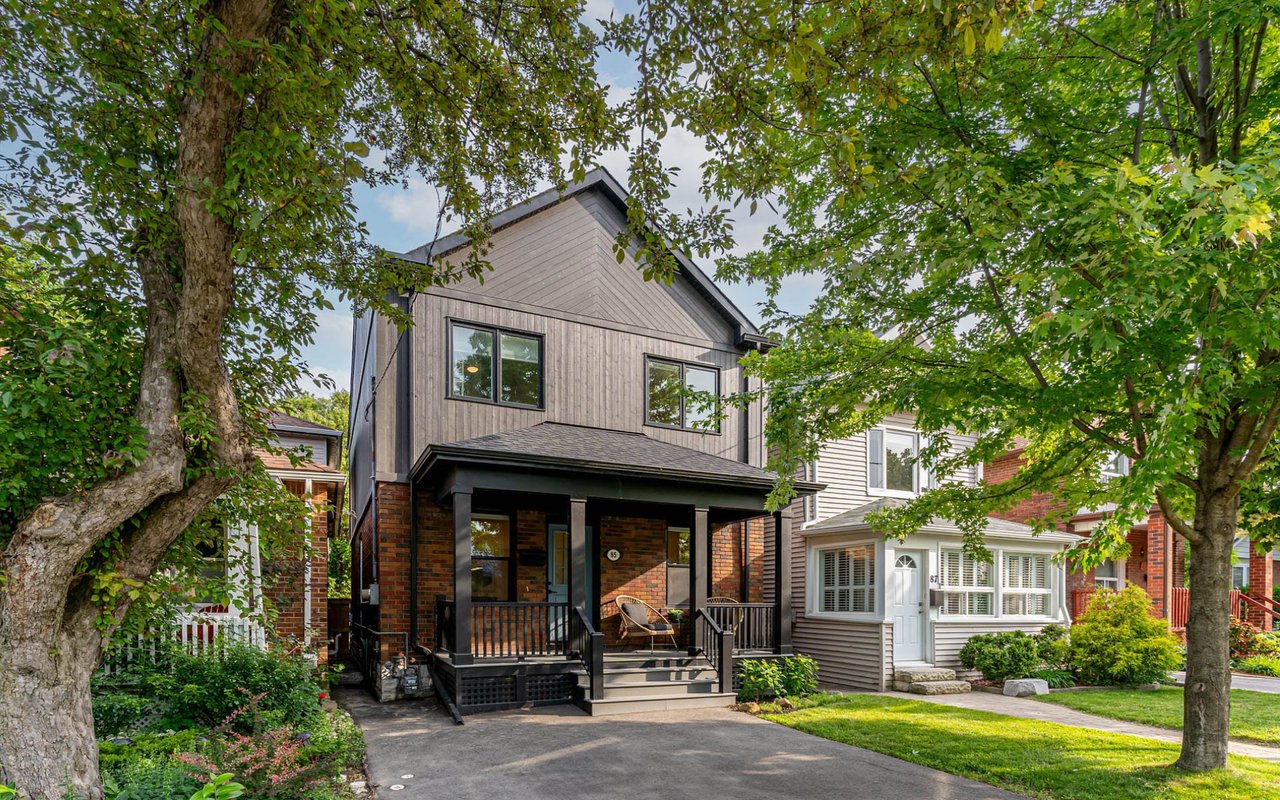
Etobicoke's postwar streets were built generously. Lots of 40 to 50 feet are common, and the houses on them are often 1,000 to 1,200 square feet with sixty year old mechanicals. Over the decades, the value migrated out of the building and into the dirt. A dated kitchen subtracts thousands; a wide, deep lot near an arterial adds hundreds of thousands. Long Branch and Alderwood have seen waves of severance and rebuild activity for years, and the pattern keeps moving north through the borough. The bungalow is not being targeted. It just happens to be the housing type where the gap between land value and building value is widest.
Builders decide what a lot is worth by working backwards. Take the expected sale price of the finished build, subtract construction, subtract soft costs, subtract the profit they need to justify the risk, and whatever is left is the most they can pay for the land. Economists call this the land residual. In plain terms: the lot is worth what the end product leaves behind. Here is an illustration with round numbers. Every line is an assumption for teaching purposes, not a quote, and your builder's spreadsheet will differ.
Line item (illustrative) | Amount |
|---|---|
Projected sale price, new 2,800 sq ft build | $2,300,000 |
Hard construction at an assumed $350 per sq ft | ($980,000) |
Soft costs: permits, charges, design, financing, selling | ($230,000) |
Builder margin at 15% of sale price | ($345,000) |
Residual: the most the builder can pay for the lot | $745,000 |
Now watch what happens when the end price moves. Drop that projected sale price 10 per cent, to $2,070,000, and hold the costs still. The residual falls to roughly $550,000. A 10 per cent move in house prices produced a 26 per cent move in what the land is worth. Land is the shock absorber of the housing market. It takes the hit first and it takes it hardest, in both directions. That is the single most useful thing a bungalow owner can understand about their own asset.
Three changes are working through the system right now, and all three push lot values up, not down.
First, development charges. Toronto has committed to cutting residential development charges by 40 to 60 per cent from 2026 through 2029, backed by $1.5 billion in federal and provincial money, with the deeper 60 per cent cut applying to larger units including single detached and semi detached homes. The reduced rates still need final council approval, but the direction is set. Development charges are a straight line item in that soft cost row above, so every dollar cut flows toward either the builder's margin or the land bid. RESCON has estimated that taxes and government imposed charges make up roughly 36 per cent of a new Ontario home's purchase price, which tells you how much room that lever has.
Second, multiplexes. Since May 2023, up to four units are permitted as of right on virtually every residential lot in Toronto. No rezoning, no committee of adjustment, provided the design stays within the standard envelope. A bungalow lot that only worked as one custom home now also pencils as a fourplex, which adds a second type of buyer to the bidding.
Third, garden suites, permitted citywide since 2022. One Etobicoke wrinkle worth knowing: in the former Etobicoke zoning, a garden suite generally needs a lot at least 30 metres deep. Many of the borough's lots clear that comfortably, but not all, so two similar bungalows a street apart can have different redevelopment math.
Related reading on the forces behind this:
Here is the counterweight, date stamped to TRREB's July 2026 numbers. The average GTA home sold for $1,003,956 in July, down 4.5 per cent from a year earlier, and the GTA detached average sat at $1,291,690, with detached homes leading the price weakness. Remember the shock absorber: when end prices fall, land bids fall faster. Some builders have stepped back, some bungalows that would have sold as teardowns two years ago are selling to people who intend to live in them, and that is extending the stock's life on some streets. Pushing the other way: money is cheap by recent standards, with the Bank of Canada holding at 2.25 per cent and prime at 4.45 per cent, and the development charge cuts land straight in the builder's favour. Our read is that the pause is cyclical and the disappearance is structural. Softer prices slow the teardown wave; the policy changes make the next wave bigger.
For owners: understand that your most likely top bidder may be a builder, and builders pay for land, not for your renovated bathroom. Condition moves the price less than owners expect once a property trades as a lot. Before spending on upgrades, find out which market your street is actually in. That is a twenty minute conversation and it can save you a renovation you would never get back.
For buyers: a livable bungalow is one of the more interesting assets in Etobicoke, a home you can use while the land does the long term work. You will sometimes be bidding against builders, especially on wider lots near arterials, and losing to them is information, not failure. It tells you what the land is really worth.
The thesis rests on the spread between end values and costs. A sustained jump in construction costs, a rate shock that pushes custom build buyers to the sidelines, a council reversal on the development charge cuts, or several more years of falling detached prices would each narrow the spread and keep more bungalows standing. None of those is our base case, but any of them is possible, and the residual table above shows you exactly which line to watch.
Whichever side of a bungalow deal you are on, we have walked this street before. Get in touch and we will run the real numbers with you.
Dave Dubbin
Etobicoke Real Estate Expert
Dave Dubbin & Associates
Real Estate Broker for Etobicoke and Toronto
Sotheby's International Realty, Canada
Stay up to date on the latest real estate trends.
Liberty Villiage
Etobicoke Lifestyle & Community
Liberty Villiage

Buyer Advice
Buyer Advice
Market Insight

Buyer Advice

Community Feature

Market Insight

DAVE DUBBIN & ASSOCIATES
3109 BLOOR ST W #1 TORONTO ON M8X 1E2 CANADA