Reverse Mortgage or Downsize? How Homeowners Can Use Their Equity
Seller Advice Dave Dubbin July 28, 2026
Seller Advice Dave Dubbin July 28, 2026
If you own a house and you're 55 or older, you're probably sitting on more wealth than you've ever had in your life, and most of it is locked inside your home. There are two main ways to get at it: borrow against the house with a reverse mortgage, or sell and downsize. The short answer is that a reverse mortgage buys you the right to stay put, and you pay for that right with compounding interest, while downsizing frees up the most money but asks you to move. Which one wins depends on how much you want to stay in that specific house.
First things first: we are realtors, not lenders or financial advisors. This post explains how the options work so you can have a better conversation with your family and an independent advisor. It is not financial advice.
Any equity decision starts with one number: what your home is actually worth. Request a valuation and you'll have it.
A reverse mortgage lets Canadian homeowners 55 and older borrow against their principal residence without making monthly payments. Depending on your age and the property, you can typically access up to 55 percent of the home's appraised value, with older borrowers qualifying for a larger share. You keep title to your home. The loan, plus all the interest it accumulates, comes due when you sell, move out for good, or pass away. In Canada these products come mainly from two lenders, HomeEquity Bank, which offers the CHIP Reverse Mortgage, and Equitable Bank. Both require the home to be your primary residence, and you'll need independent legal advice before signing.
The appeal is obvious. No monthly payment, no forced move, and the money arrives as a lump sum, regular deposits, or a mix.
The interest doesn't disappear just because you aren't writing a cheque every month. It gets added to the balance, and then the next round of interest is charged on the bigger balance. Reverse mortgage rates also run noticeably higher than regular mortgage rates. Here's the part worth sitting with: at a rate around 7 percent, a balance roughly doubles every ten years. Borrow $300,000 at 70 and the loan can be in the neighbourhood of $600,000 by 80. Your home may appreciate over that time too, but the interest clock never takes a year off. Add the setup costs, the appraisal, and the legal work, and it is an expensive way to borrow. The one comfort: Canadian reverse mortgage lenders guarantee you'll never owe more than the home's fair market value when it's sold, provided you've met your obligations.
Plenty of situations where a reverse mortgage is a reasonable call. The house works for you physically. Your street, your neighbours, your routine matter more to you than maximizing every dollar. You want to top up retirement income without selling investments at a bad time. You need to help a kid with a down payment now, not in five years. Or you simply are not ready to leave the home your family grew up in, and the math of that decision is not really about math.
Working through this decision? These three will help:
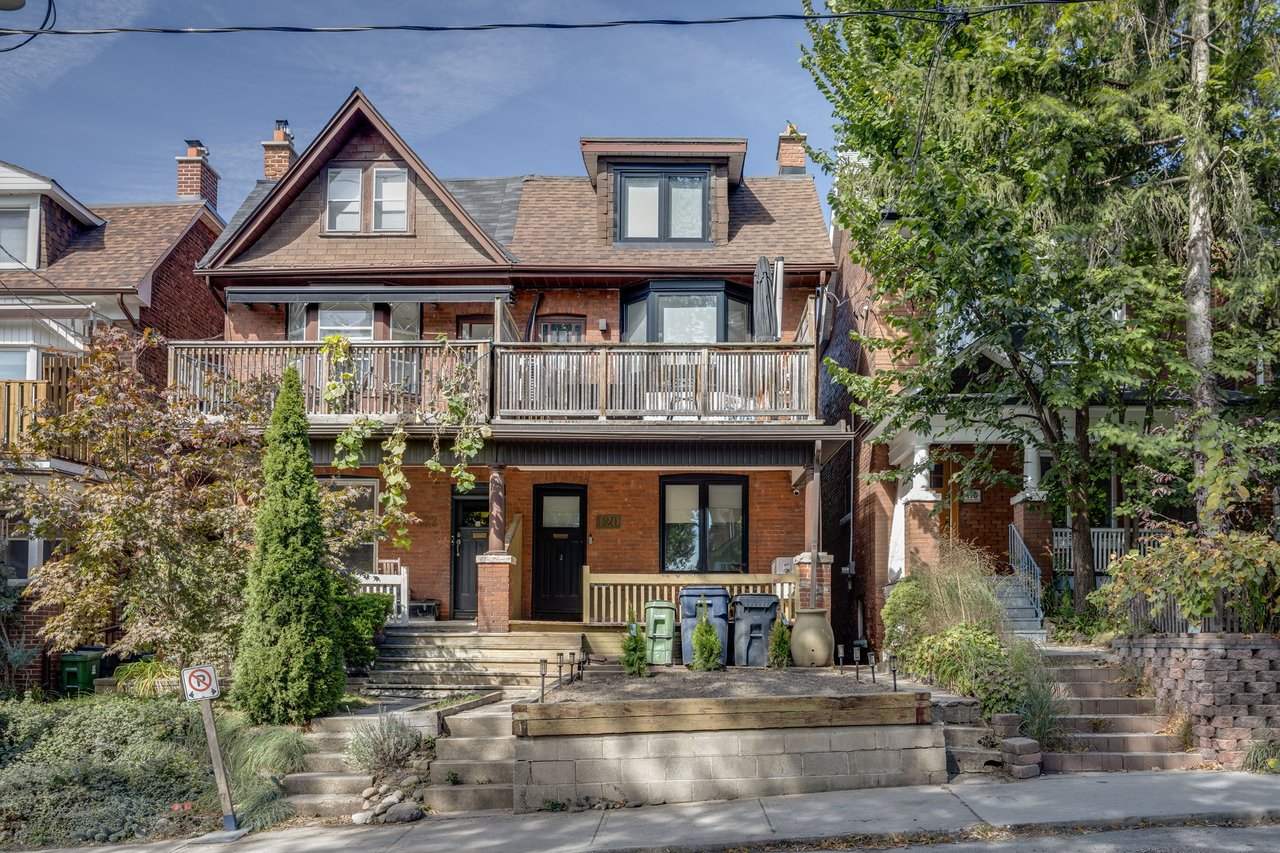
Selling puts your whole equity to work instead of just a slice of it. Sell a detached house in Etobicoke, buy a condo or a smaller home, and the difference lands in your account earning for you rather than compounding against you. It isn't free either. You'll pay land transfer tax on the new place, both the Ontario and Toronto portions if you stay in the city, plus moving costs, and condo fees if you go that route. And downsizing has a cost no spreadsheet captures: leaving a place you love. That's real, and it belongs in the decision.
The in between options deserve a mention too. A home equity line of credit is cheaper than a reverse mortgage if you can handle interest payments. Renting out a basement suite brings income without borrowing at all.
How long do you realistically want to stay in this house, and does it still fit the way you live? What does your family think, since the loan comes out of the estate? Have you priced what you'd actually buy if you sold? And have you talked to an independent advisor rather than only the lender selling the product? Slow decisions are good decisions here. Nobody should feel rushed into either path.
If it would help to know what your home would sell for before you talk to anyone about borrowing against it, we'll give you a number. No obligation, and we'll tell you if we think staying put is your best move.
Dave Dubbin
Etobicoke Real Estate Expert
Dave Dubbin & Associates
Real Estate Broker for Etobicoke and Toronto
Sotheby's International Realty, Canada
Stay up to date on the latest real estate trends.

Community Feature

Market Insight

Market Insight

Buyer Advice
Buyer Advice

Market Insight

Market Insight

Community Feature

Market Insight

DAVE DUBBIN & ASSOCIATES
3109 BLOOR ST W #1 TORONTO ON M8X 1E2 CANADA