Leave a Message

Thank you for your message. We will be in touch with you shortly.

Is the Toronto Real Estate Market Finally Turning a Corner? April 2026 Market Update

Market Insight Dave Dubbin May 23, 2026

What the Numbers Are Telling Us: April 2026 at a Glance

The Toronto Regional Real Estate Board (TRREB) released its April 2026 Market Watch on May 5th, and the numbers confirm what many observers have been watching build since early spring.

According to the official TRREB report, 5,946 homes sold across the GTA in April 2026 — a 7% increase compared to April 2025, and the second consecutive month of year-over-year gains. At the same time, new listings dropped 9.3% to 17,097, and total active listings fell 6.4% to 25,110. Sales rose faster than new listings on a seasonally adjusted basis — a dynamic TRREB flagged as a potential sign of increased competition emerging in certain neighbourhoods.

The GTA average selling price came in at $1,051,969 — down 4.9% year-over-year from April 2025, but up meaningfully from March 2026 on a seasonally adjusted basis. The MLS® HPI Composite benchmark landed at $944,100, down 6.6% annually but essentially flat month-over-month, suggesting the pace of price decline is slowing.

Put plainly: more buyers, fewer listings, and prices finding a floor. That's the story of April 2026.


A Decade of Context: Where Prices Have Been

To understand today's market, it helps to zoom out. TRREB's historic data paints a clear picture of how much the GTA has moved over the past ten years:

  • 2016: Average GTA price ~$730,000.
  • 2017: Surged to ~$822,000 before Ontario's Fair Housing Plan cooled things briefly.
  • 2020: Pandemic ignited demand; average hit ~$930,000.
  • 2021: First time the GTA average crossed $1 million, reaching ~$1,095,000. Sales hit 121,000+ — a record.
  • 2022: Peaked in spring at over $1,300,000 before rate hikes triggered a sharp correction.
  • 2023–2024: Prices stabilized in the $1,100,000–$1,150,000 range; buyers returned cautiously.
  • 2025: Prices softened further, averaging ~$1,107,000 for the year as elevated inventory and economic uncertainty kept buyers on the sidelines.
  • April 2026: $1,051,969 — down roughly 19% from the 2022 peak, but with early signs of stabilization.

The current price level is roughly comparable to late 2021. For buyers who sat out the peak frenzy, that's a meaningful correction. For long-term owners, equity remains substantial.


Freehold Homes: What Buyers and Sellers Need to Know

The 416 vs. the 905 

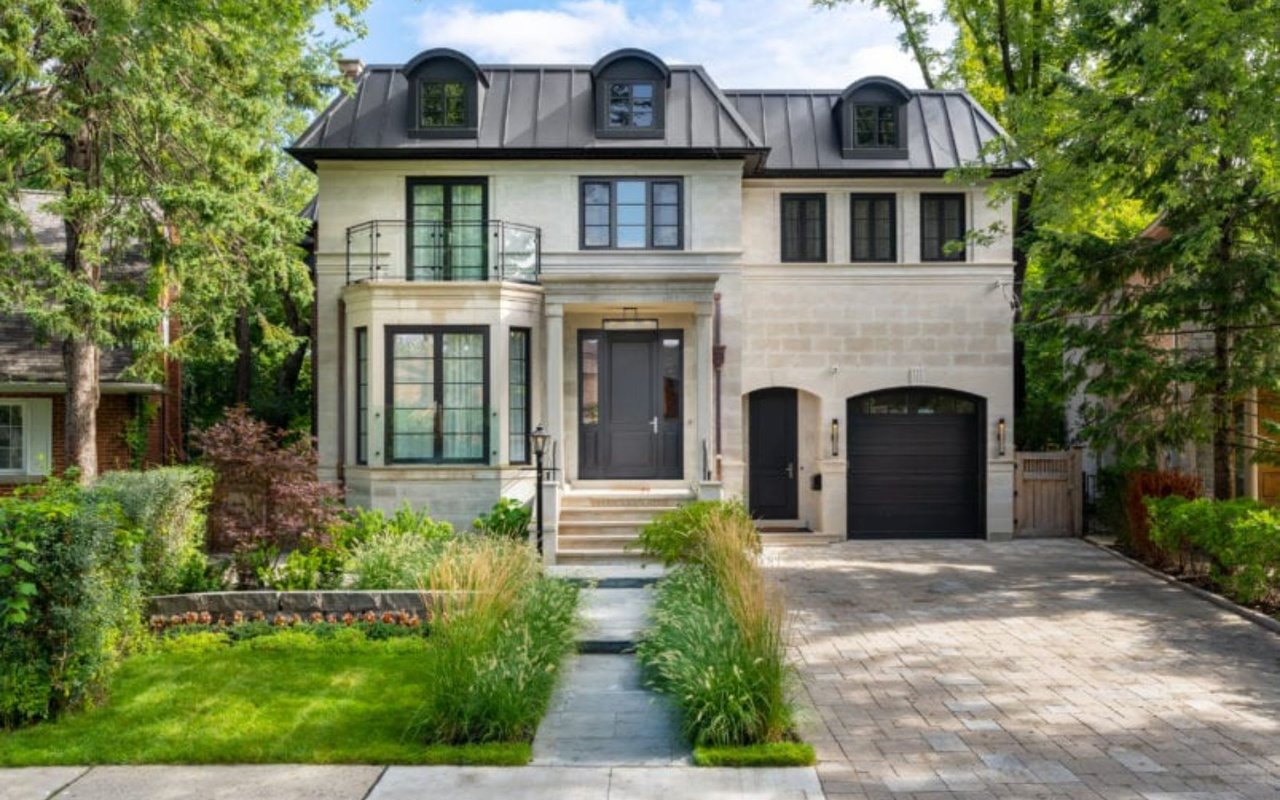
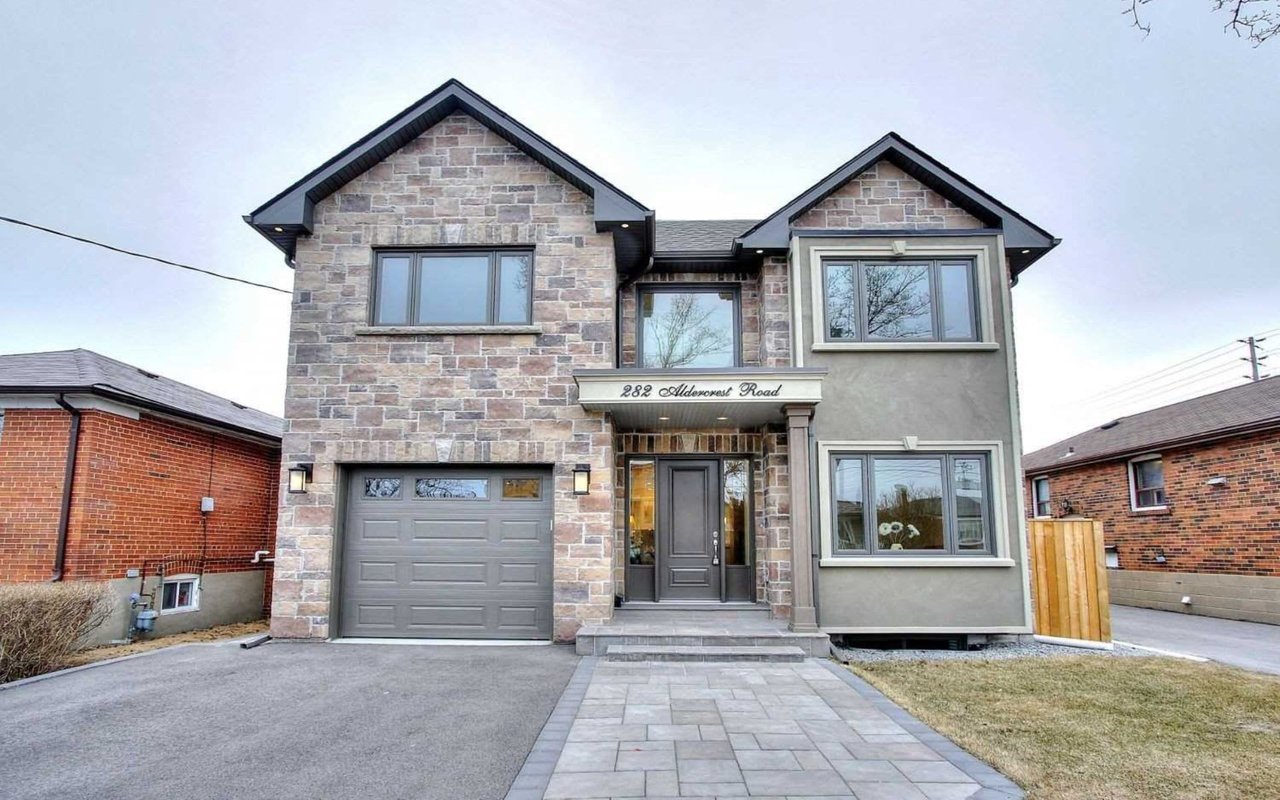
In April 2026, detached homes across the GTA averaged $1,372,688 — down 4.1% year-over-year. But that headline number masks a significant divide between the City of Toronto (416) and the surrounding regions (905).

In the 416, detached prices averaged approximately $1,668,973, down just 1.9% year-over-year, with sales up 6.6% and the sales-to-new-listings ratio (SNLR) moving from 36% to 40%. Semi-detached homes in the 416 showed the most strength of any segment — prices actually rose 1.5% year-over-year, while new listings fell more than 21%.

The 905 is a different story. Detached prices there are declining closer to 5% annually, and the SNLR sits around 33% — still firmly in buyer's market territory.

For freehold townhouses across the GTA, the average came in around $939,000, down 6.6% year-over-year. Supply has been more persistent in this segment, giving buyers more negotiating room.

For Freehold Buyers in Etobicoke and Toronto

This is one of the most balanced entry windows the 416 freehold market has offered in several years. You have time — homes are averaging 29 days on market, up 16% from last year. You can add conditions. You can negotiate. You can properly inspect. That's not the market of 2021 or early 2022.

The 416, and Etobicoke in particular, benefits from structural supply constraints that the suburbs don't have. Land is finite, rental demand is deep, and demand from end-users remains consistent. If the spring tightening continues — and the data suggests it is — this window may not stay open through the fall.

Actionable advice for freehold buyers: get pre-approved now, focus on properties that have been sitting 20+ days, and don't let the headline price drops make you overconfident on negotiations. The best-priced, well-maintained homes in established Etobicoke neighbourhoods are already seeing renewed interest.

For Freehold Sellers in Etobicoke and Toronto

The market is still technically a buyer's market — the GTA-wide SNLR is 34.8% — but conditions in the 416 are tightening faster than the broader numbers suggest. With new listings dropping sharply and sales rising, motivated sellers who price correctly are transacting.

The key word is "correctly." The correction from the 2022 peak has recalibrated buyer expectations. Overpricing relative to recent comparable sales is the fastest way to sit on the market and negotiate from weakness. Sellers who come in sharp, present well, and let the current tightening dynamic work in their favour are seeing results.

If you've been waiting for the "bottom" to list — understand that by the time a bottom is universally confirmed, the best buyers are already gone.


The Condo Market: Opportunity with Eyes Open

Where Condos Stand Right Now

The Toronto condo market has absorbed the deepest correction of any segment over the past two years. In April 2026, condo apartment sales across the GTA rose 9.1% year-over-year — the strongest volume gain of any property type — but prices remain under pressure. GTA-wide condo apartment prices averaged approximately $636,000, down 6.3% year-over-year. In the 416, average condo prices were around $635,653.

For context: GTA condo prices peaked near $779,000 in early 2022. Today's buyer is entering at roughly 18% below that peak.

Nearly one in four condo transactions in April 2026 fell in the $400,000–$599,999 range — the clearest signal yet that first-time buyers are re-entering the market and taking advantage of reduced prices and lower borrowing costs.

The Bank of Canada's overnight rate held at 2.75% through the first part of 2026, and while fixed mortgage rates remain elevated relative to the pandemic era, they are meaningfully lower than the 2023 peaks, improving affordability across the board.

For Condo Buyers

The condo market offers the most price relief of any segment right now. Active inventory remains elevated, days on market are longer than historical averages, and sellers are negotiable. If you're a first-time buyer or an investor with a long horizon, the math on entry pricing looks better today than it has since 2019–2020.

That said, not all condos are equal. Smaller investor-grade units in over-supplied downtown towers face the most headwinds. Well-located units in established mid-rise buildings — particularly those near transit in Etobicoke, the west end, and midtown — are performing better. Look for buildings with healthy reserve funds, reasonable maintenance fees, and strong owner-occupant ratios.

For Condo Sellers

This is the most challenging segment to sell in right now, and it requires honest pricing and strategic presentation. Listings are still elevated, competition is real, and buyers have leverage.

The good news: volume is picking up. Sales were up 9.1% year-over-year in April, which means buyers are in the market. They're just being selective. If your unit is priced ahead of the market, expect to sit. If it's priced to reflect current reality and presented well, it will move.

For condo sellers in Etobicoke, the local micro-market matters. Etobicoke condos near transit corridors and with access to green space and waterfront proximity carry a premium that downtown oversupply doesn't erase.


The Broader Economic Picture

A few factors are shaping buyer and seller psychology heading into the second half of 2026:

  • Trade and geopolitical uncertainty has kept a portion of qualified buyers on the sidelines. TRREB's own leadership cited this directly, noting that resolution on the trade front would accelerate activity further.
  • Pent-up demand remains substantial. TRREB estimates tens of thousands of prospective buyers are holding off, waiting for stability.
  • Toronto's unemployment rate sat at 2.3% in April 2026 — an indicator of underlying economic health that supports housing demand.
  • Population growth continues to outpace new housing construction in the GTA, setting up a medium-term supply deficit that will support prices over time.

What This Means for You

Whether you're buying your first home in Etobicoke, upsizing into a freehold in Toronto, or considering selling a condo you've held for years — the April 2026 data points to a market in transition, not collapse or explosion. It is a window that rewards preparation and decisive action.

The buyers who succeed in this market will be the ones who came prepared, understood the data, and had the right professional in their corner. The sellers who succeed will be the ones who priced honestly and moved with purpose.


Ready to Make Your Move in Toronto or Etobicoke?

The Toronto real estate market in 2026 is not a market to navigate alone. Whether you're eyeing a freehold in Etobicoke or exploring the condo landscape across the city, having the right broker makes the difference between opportunity and regret.

Dave Dubbin is a Real Estate Broker specializing in Etobicoke and Toronto. He brings sharp market knowledge, straight-talk strategy, and a track record of results in this exact kind of market.

Book a call with Dave today to talk through where you stand and what your next move should be.